
Sable Poodles & Goldendoodles:
Genetics, Colors & Puppy-to-Adult Changes
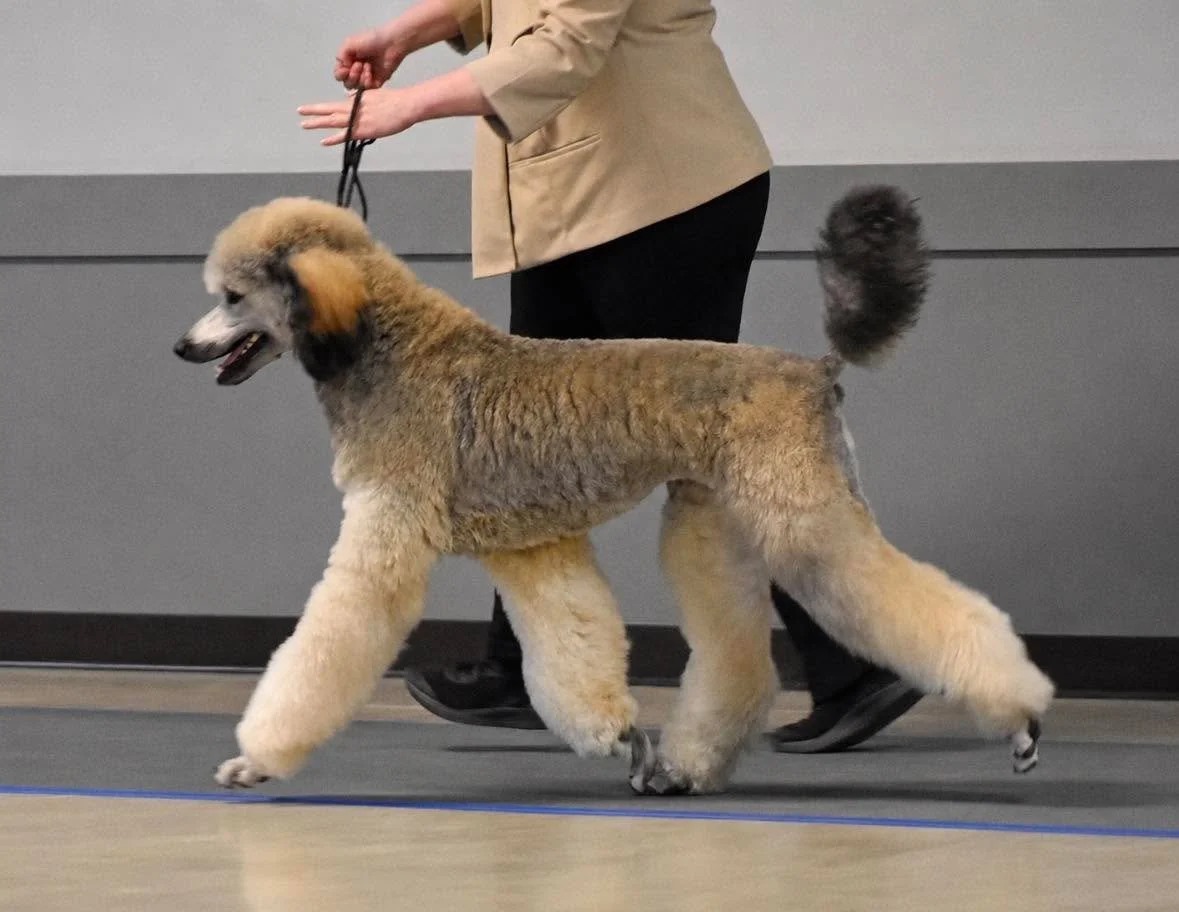
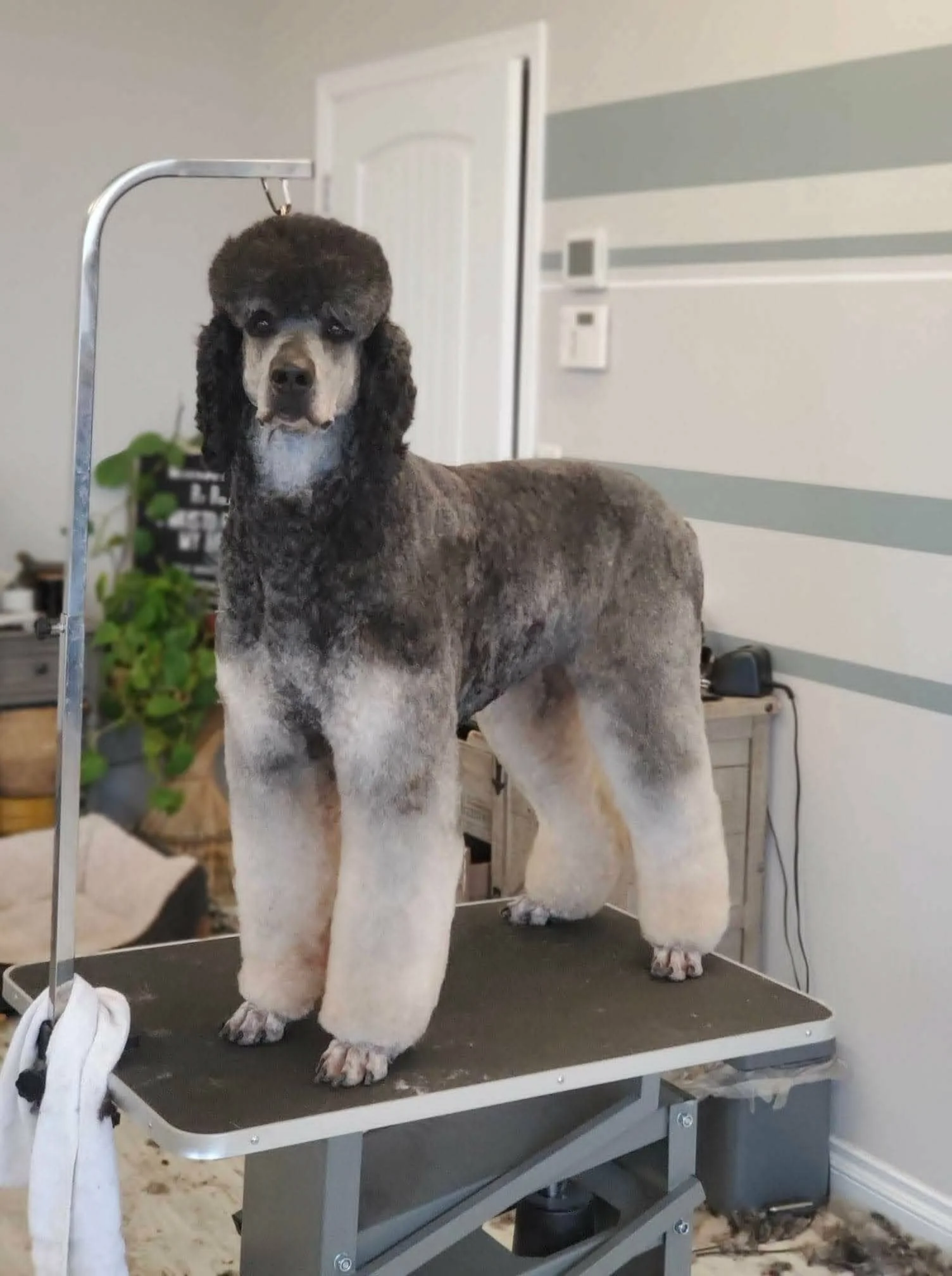
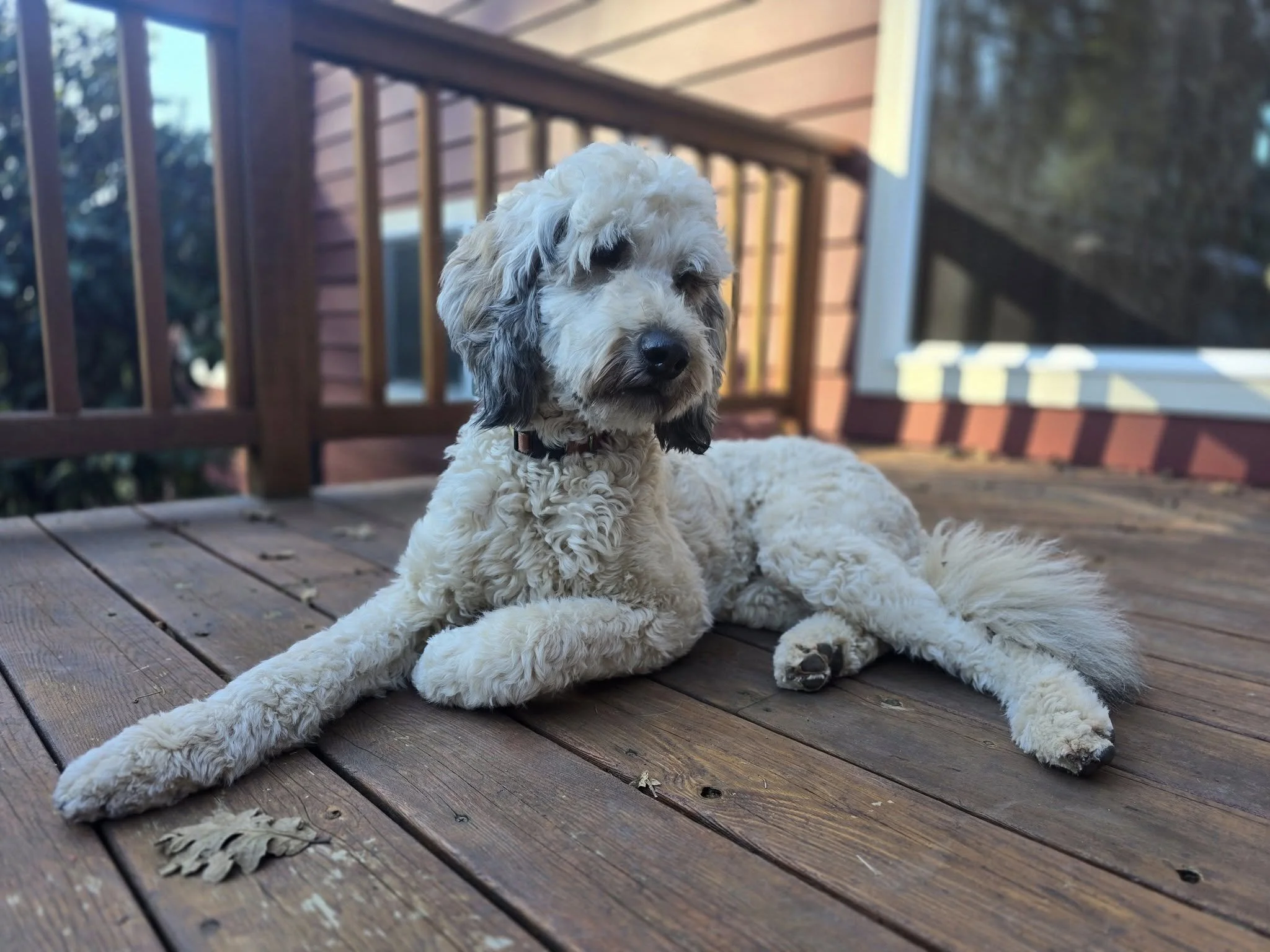
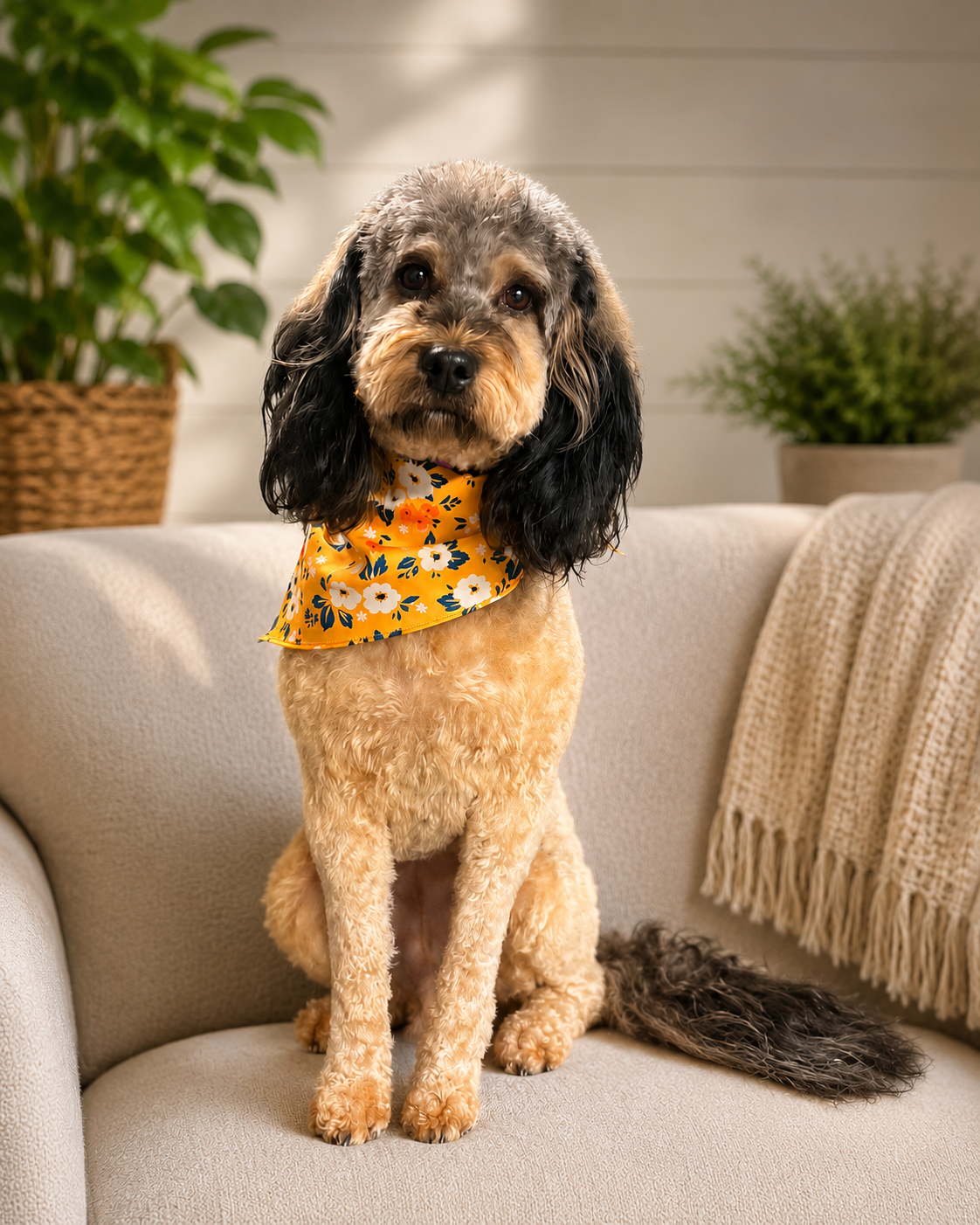
Sable is one of the most fascinating coat patterns found in Poodles and Goldendoodles, largely because no two sable dogs necessarily look alike. Some puppies are born so dark they appear almost black, while others have beautiful apricot, red, or cream coats accented with darker shading. Even more remarkable is how dramatically these colors can change as puppies grow.
Depending on the genetics behind their coloring, some sable dogs gradually lose much of their darker pigmentation, becoming significantly lighter as adults. Others retain dark shading around their ears, faces, backs, or tails, creating striking contrasts against their lighter coats. Two puppies that look remarkably similar at birth can develop into adults with completely different appearances.
Through photographs of dogs from our breeding program and their families, we'll explore what makes a dog sable, how these coats develop, and why predicting a sable puppy's adult coloring isn't always straightforward. We'll also look at how sable interacts with other coat patterns, including saddle tan and white spotting.
Whether you're researching Poodle and Goldendoodle colors or considering bringing home a sable puppy, our goal is to help you understand the possibilities and appreciate what makes each sable coat unique.
What Makes a Dog Sable?
Sable is a coat pattern in which darker pigmentation appears within an otherwise lighter coat. Individual hairs may have black or brown tips, creating shading over a base color that can range from pale cream to rich apricot or red. Depending on how much dark pigmentation is present, a sable dog may appear almost entirely dark, lightly shaded, or somewhere in between.
Unlike a solid coat color, sable can create tremendous variation in appearance. Some dogs have dark shading concentrated around their ears, face, or back, while others have darker hairs distributed throughout much of their coat. The amount of shading can also change as the dog matures, which is why a sable puppy's appearance doesn't always tell us what its adult coat will look like.
The Genetics Behind Sable
Sable coloring is influenced by the A locus (Agouti), one of several genes involved in determining a dog's coat color and pattern. Different genetic variations influence how dark and light pigments are distributed, while other color genes affect whether those pigments appear black, brown, cream, apricot, or red.
Some sable-related genetic variations are dominant over others, meaning a dog can carry a pattern that isn't visible in its own coat but may appear in its puppies. This is one reason understanding the genetics behind both parents can be helpful when planning a litter. However, even when we know a puppy's genetic makeup, we cannot always predict exactly how much shading it will retain or what its adult coat will look like.
For readers interested in learning more, we recommend the UC Davis Veterinary Genetics Laboratory. Their advanced A-locus testing examines different genetic coat patterns and provides a much more detailed explanation of how they are inherited.
For our purposes, the most important thing to understand is that sable isn't one specific color or one predictable appearance. It's a pattern that can produce an extraordinary variety of coats, and some of those coats change dramatically from puppyhood into adulthood.
How Sable Coats Change from Puppyhood to Adulthood
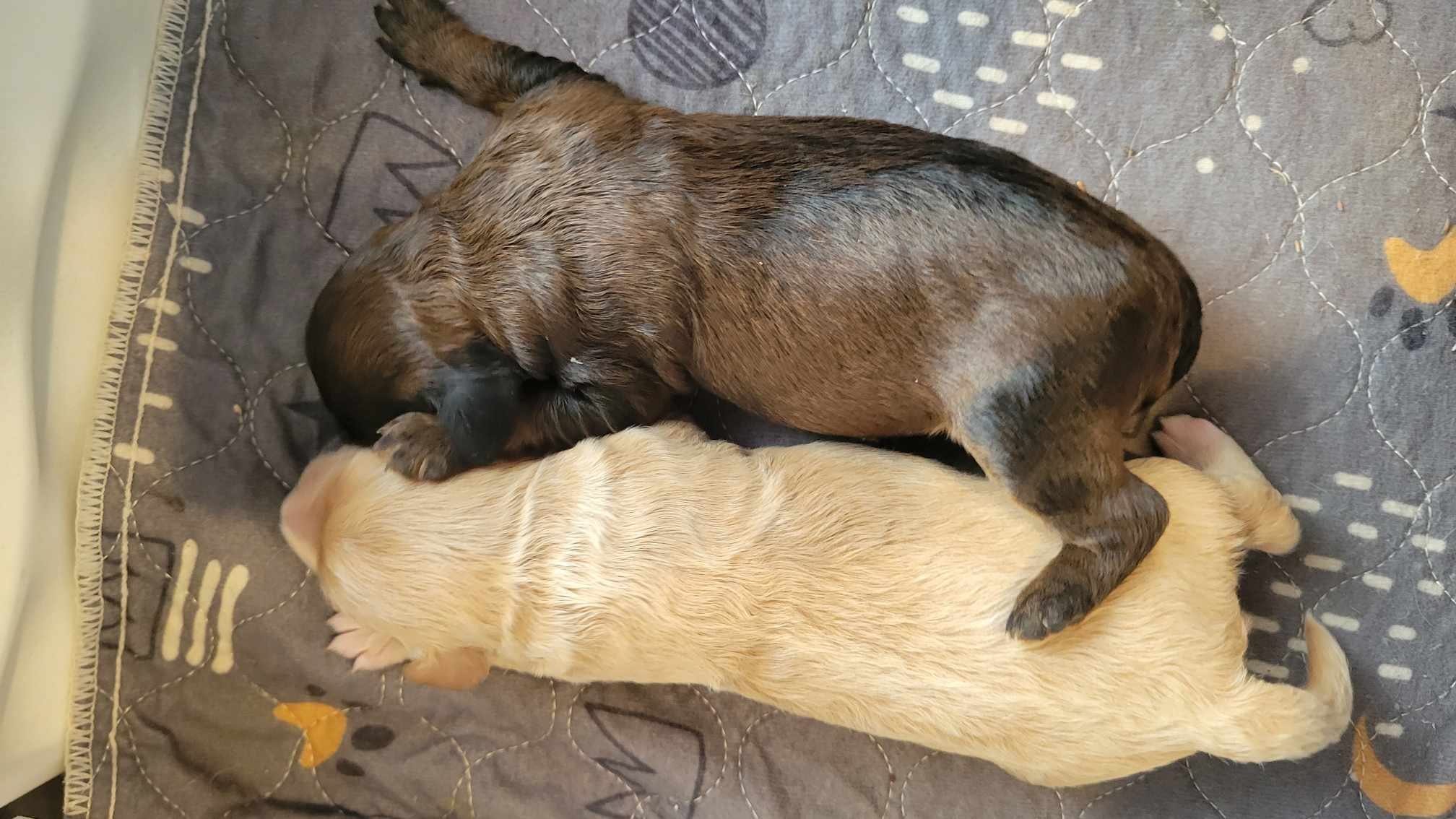
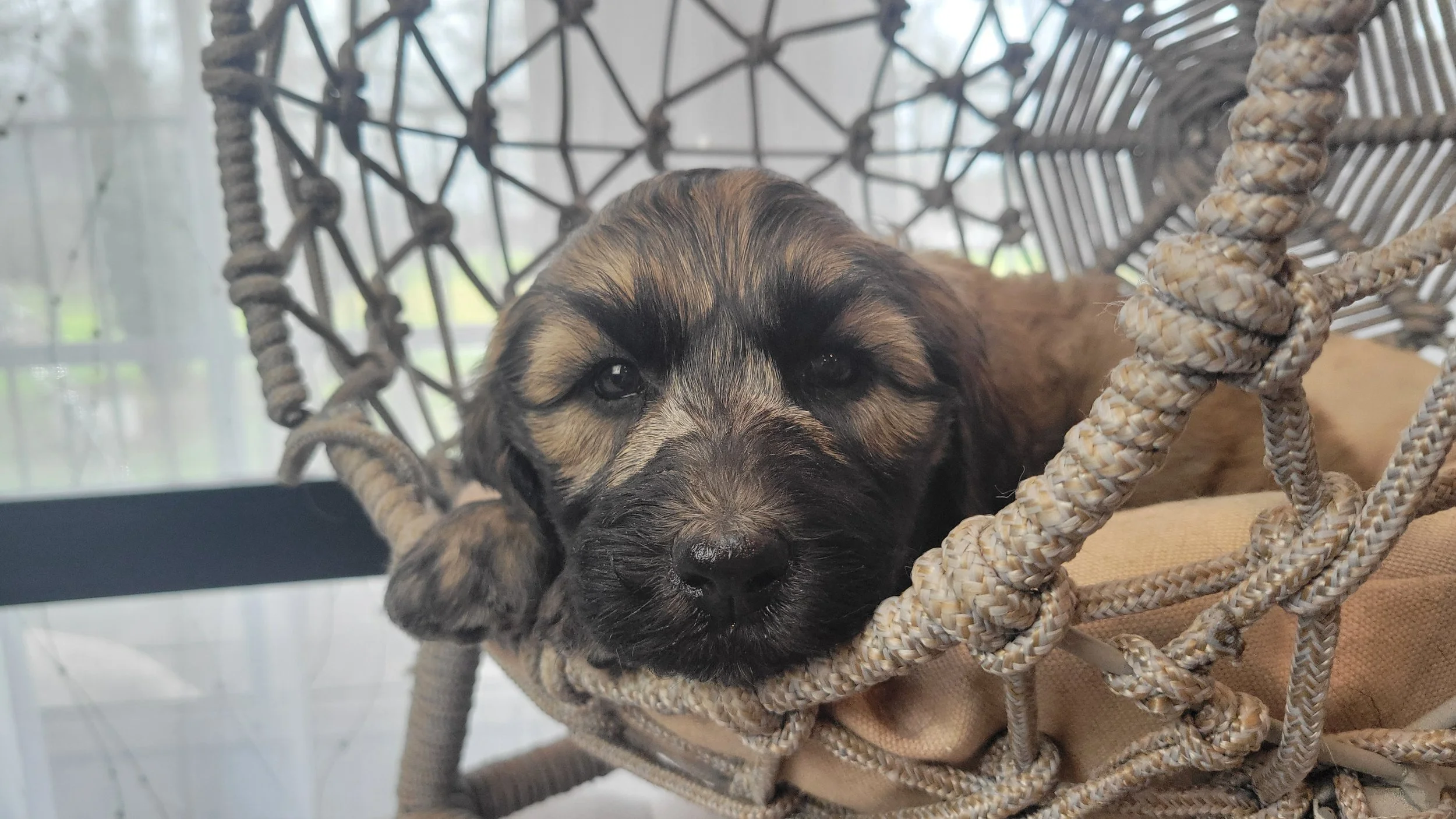
One of the most remarkable characteristics of sable is how dramatically a dog's appearance can change as it grows. A puppy born with extensive black or brown shading may eventually develop a predominantly cream, apricot, or red coat. Another puppy with nearly identical coloring may retain much of its darker pigmentation well into adulthood.
These changes happen as the puppy coat is replaced by mature hair, but the extent of that transformation varies considerably. Some sable dogs lighten dramatically, while others maintain darker shading around their ears, faces, backs, and tails. Even puppies from the same litter can develop very different adult appearances.
Roxie — A Dramatic Sable Transformation
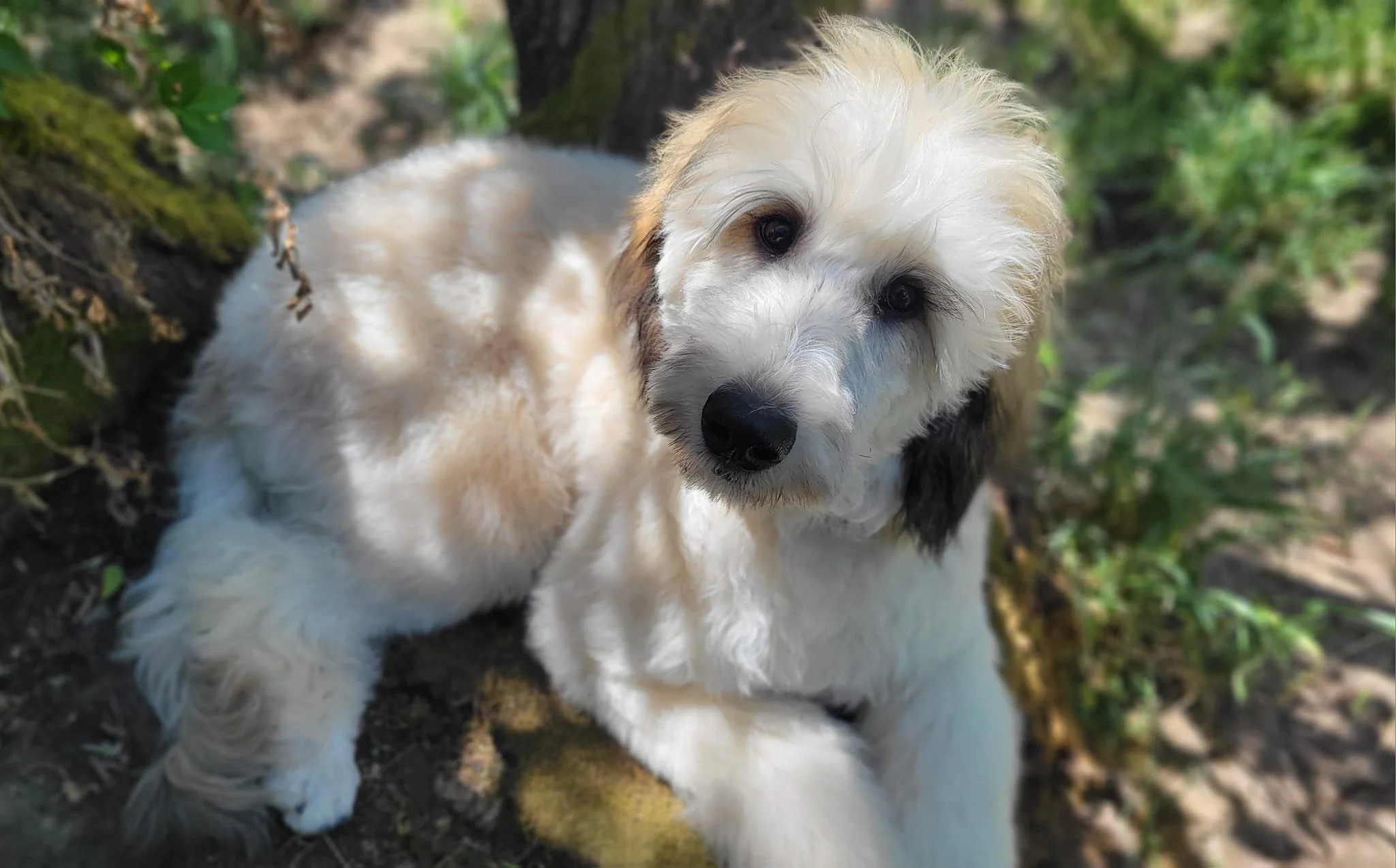
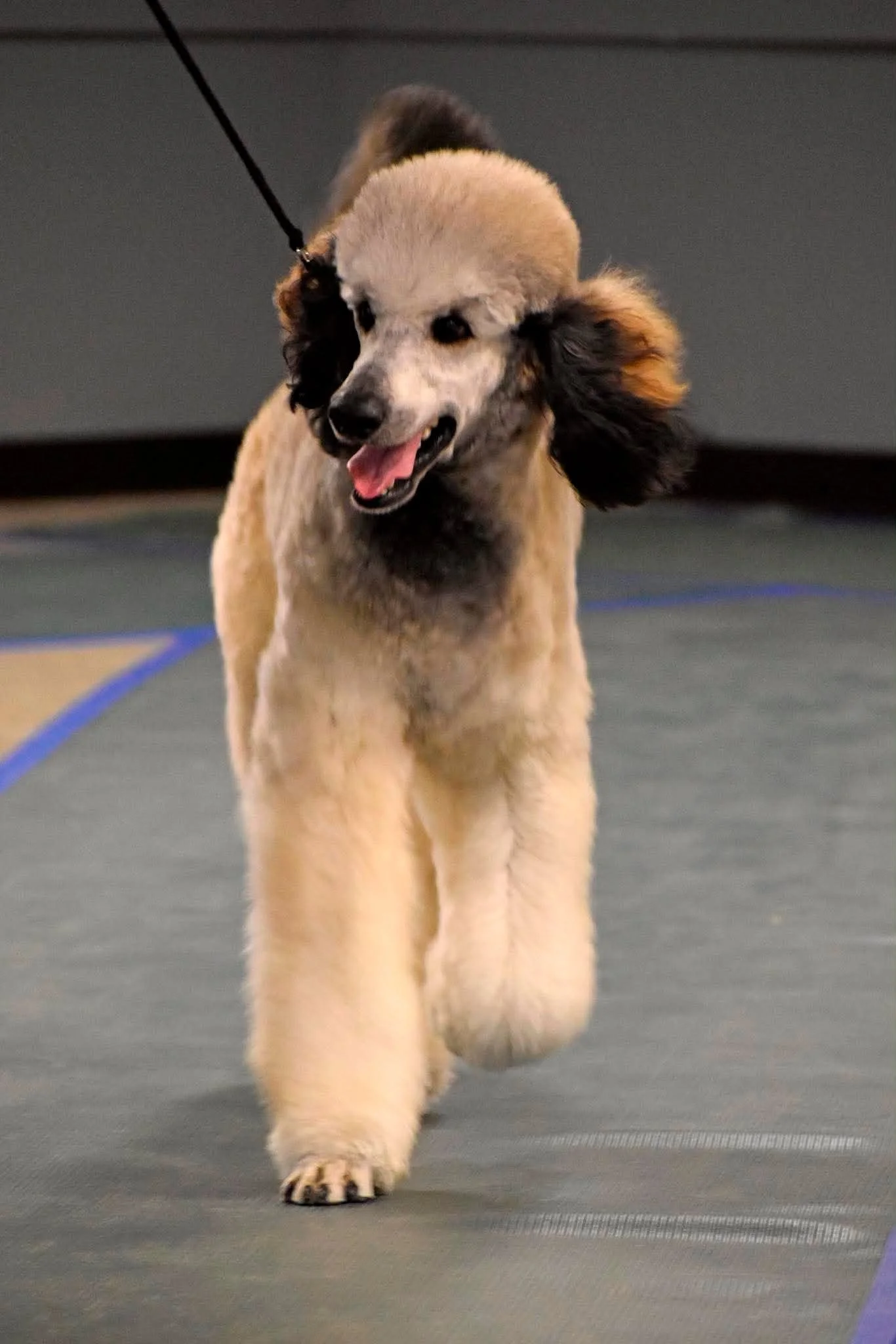
Roxie is one of our favorite examples of how dramatically sable coloring can change. As a young puppy, she had extensive dark pigmentation across her face and body, giving her a much darker appearance than the dog she would eventually become.
As Roxie matured, her coat progressively lightened, revealing the beautiful pale cream coloring she has today. She still retains subtle darker shading around portions of her face and ears, but the overall transformation is remarkable. Without seeing her progression photographs, most people would never guess just how dark she was as a puppy.
This type of transformation is commonly called clearing sable, where much of the darker appearance gradually disappears as the dog matures.
Lemon — Beautiful Shading That Remains
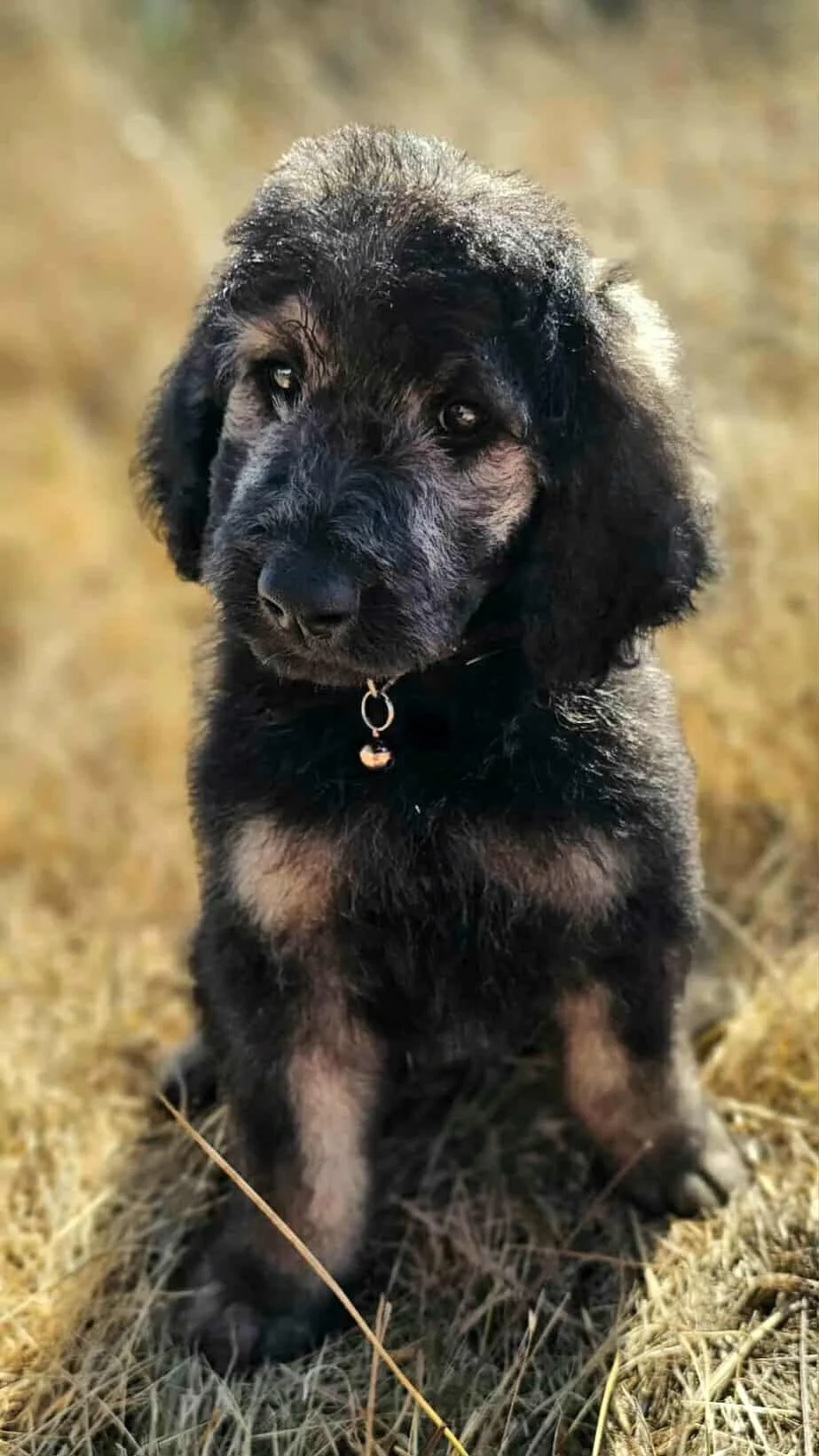
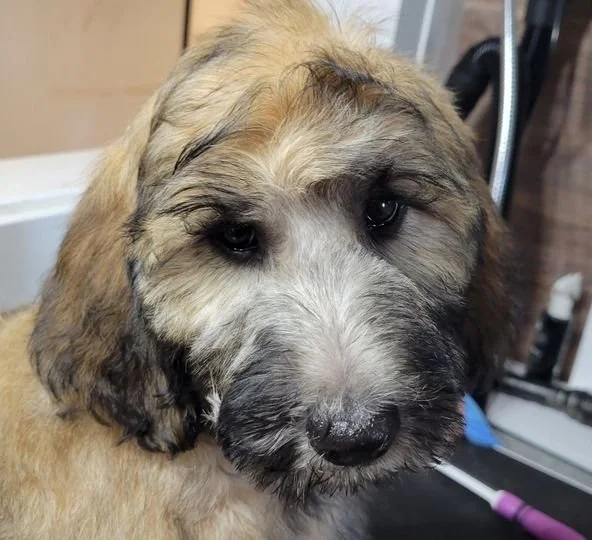
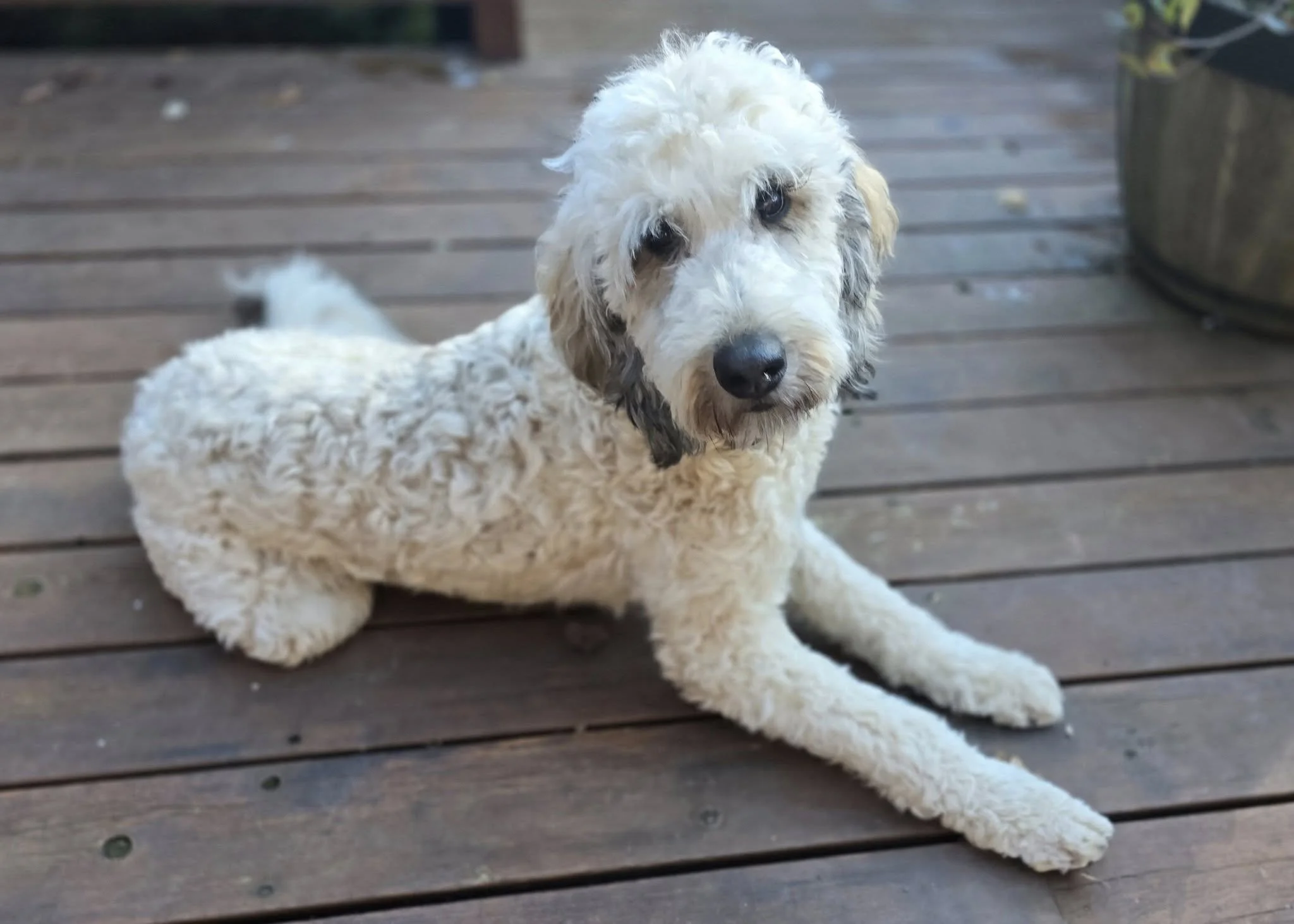
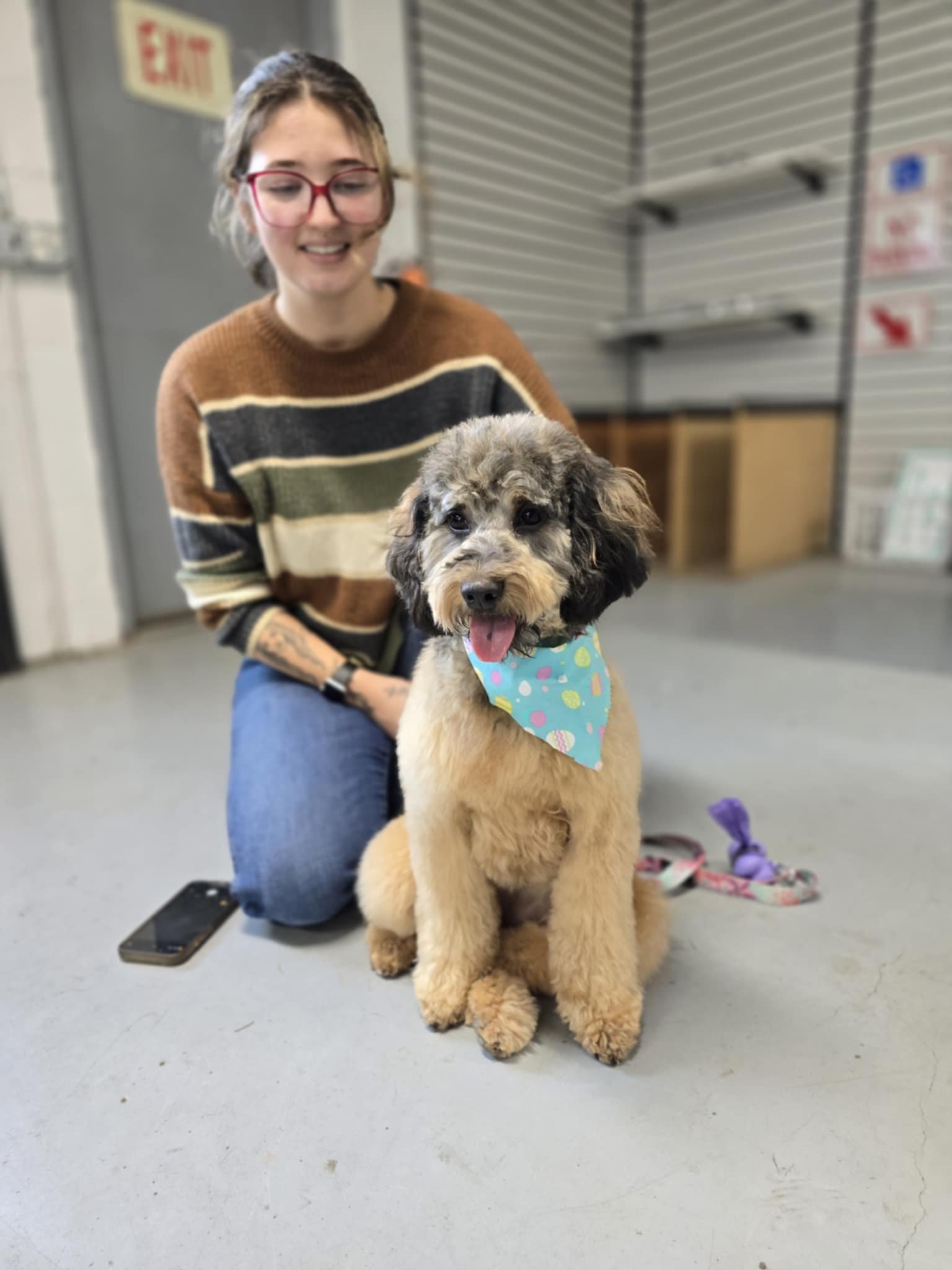
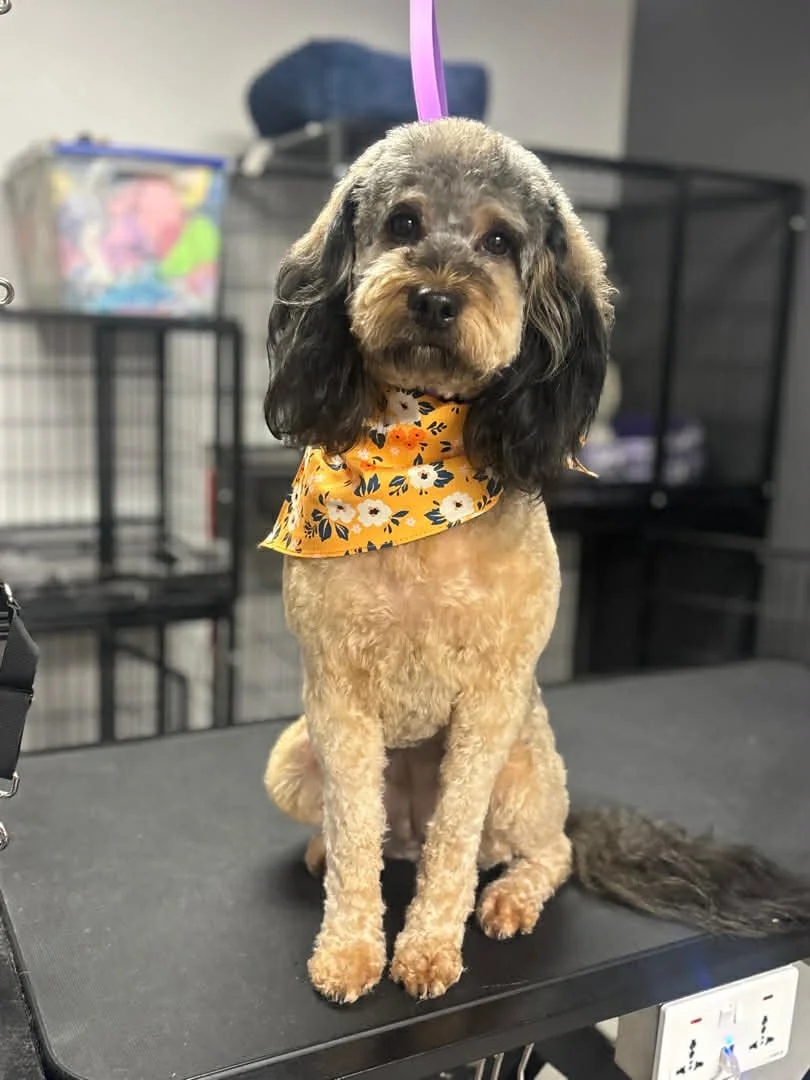
Lemon demonstrates another side of sable coloring. Like Roxie, she began life with extensive dark pigmentation, but her adult coat developed into a warm apricot-gold with striking darker accents. Her ears, face, and tail retain much more dark shading, creating a beautiful contrast against her lighter body.
What's particularly interesting is how closely Lemon's coat development resembles her father's. His puppy photographs show extensive dark pigmentation, while his adult coat developed into a lighter golden color with darker shading remaining around his face and ears.
Together, Lemon and her father illustrate how sable characteristics can be seen across generations. Although both dogs lightened substantially, their finished appearances are very different from Roxie's predominantly cream coat.
Dapper — Sable Meets Blue & Silver Genetics
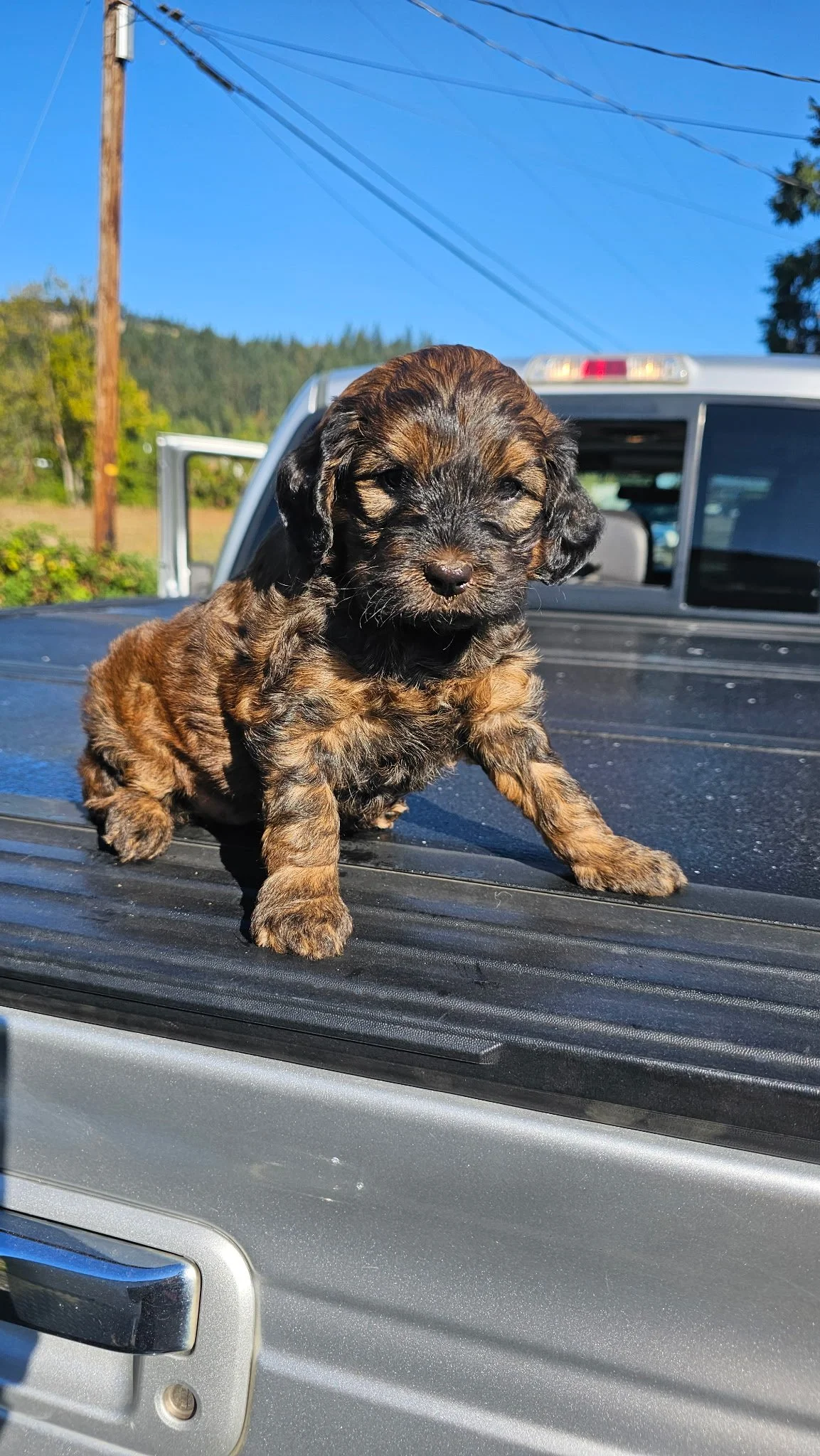
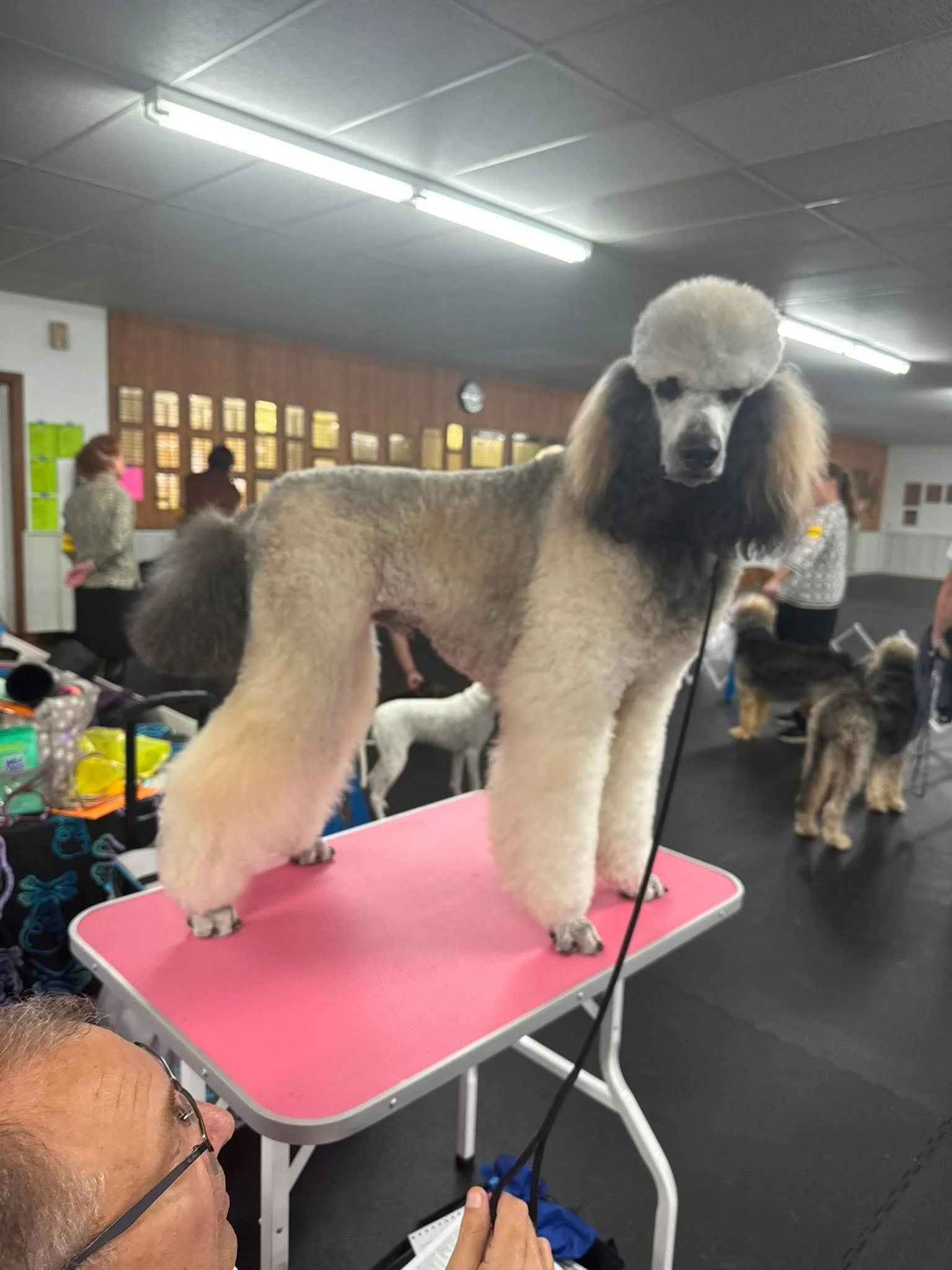
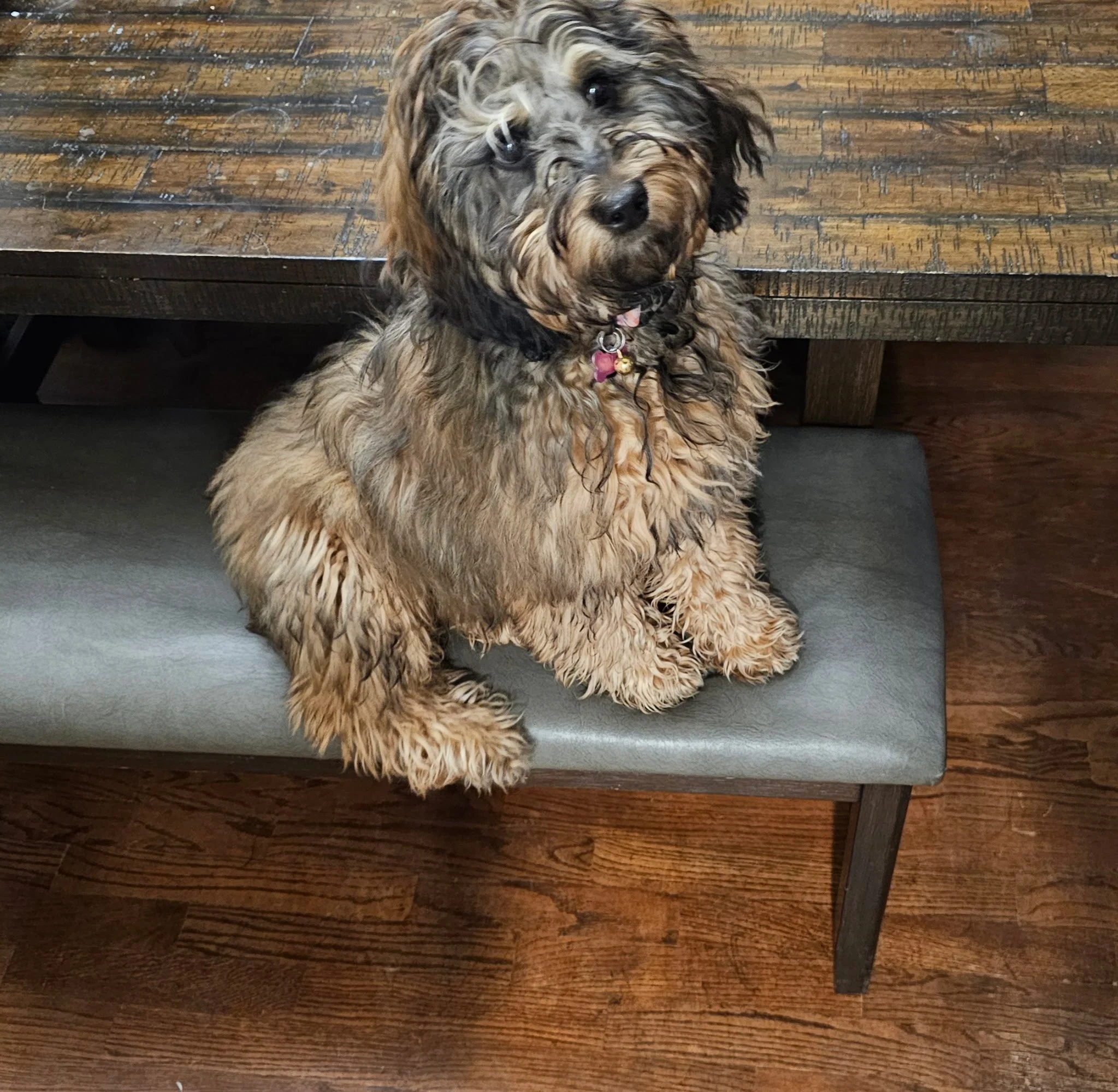
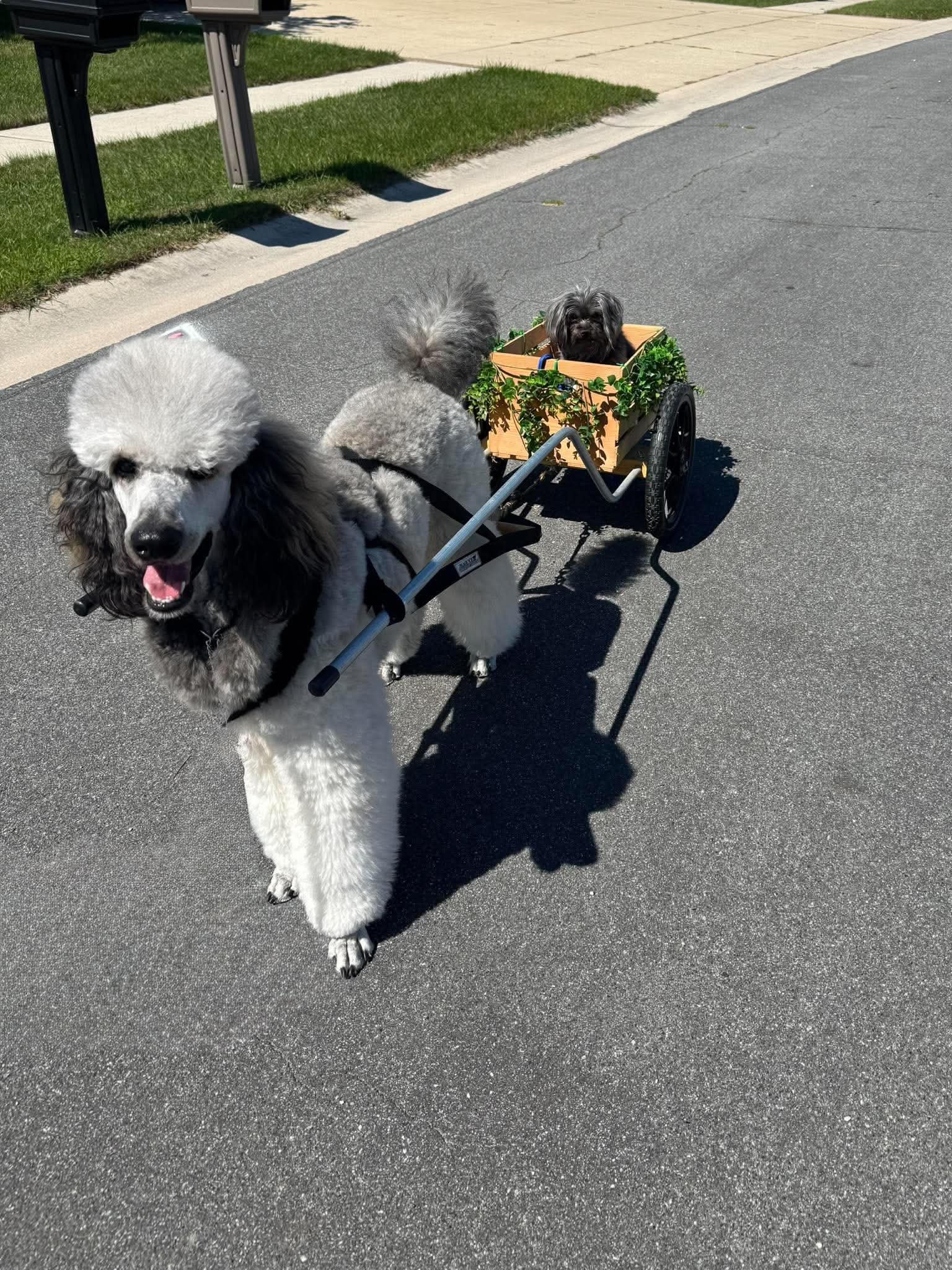
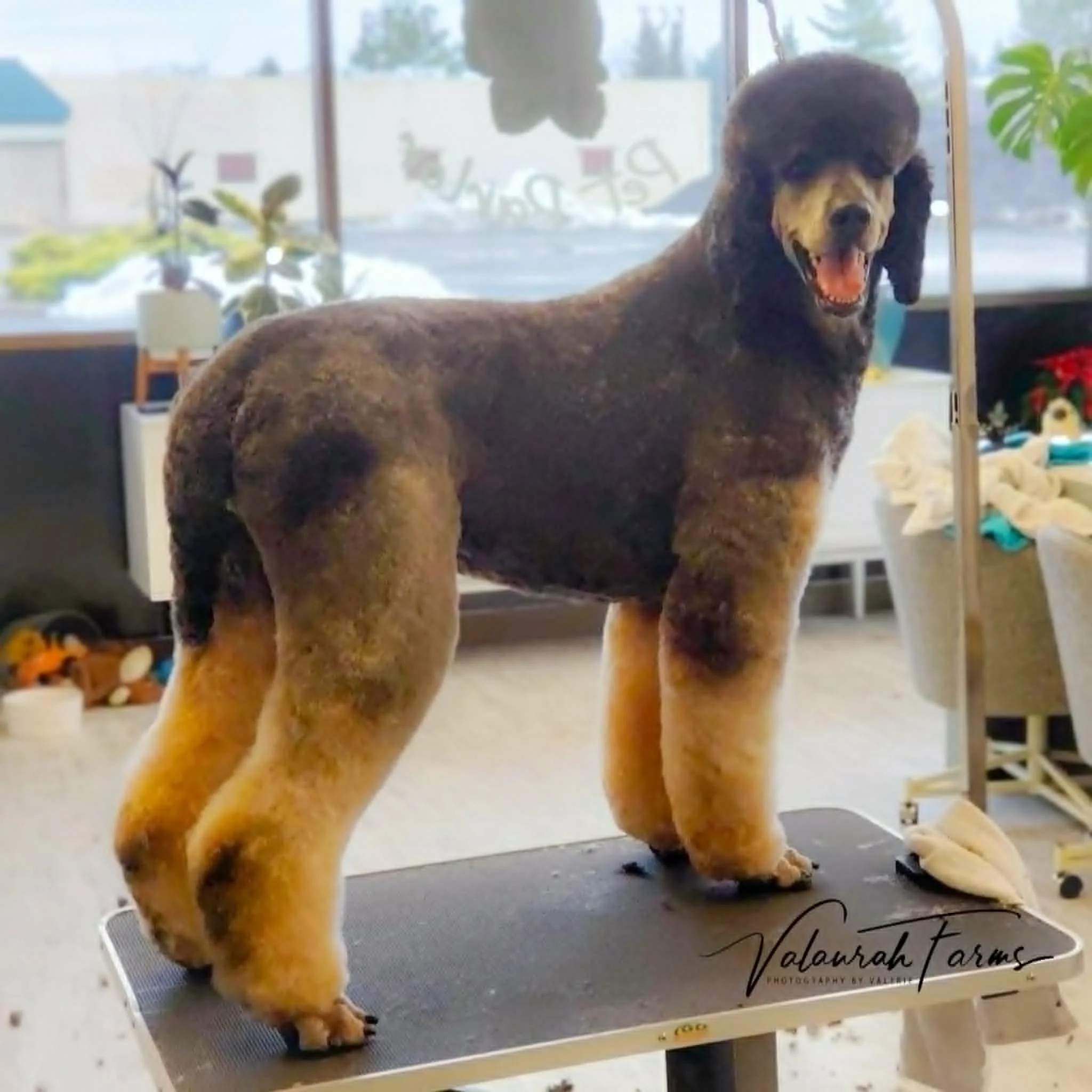
Dapper, from our Hazel × Whiskey Poodle litter, is a particularly interesting example of how multiple coat-color genetics can influence a dog's appearance. He inherited sable coloring from bloodlines that also include blue and silver Poodles, adding another dimension to how his coat develops.
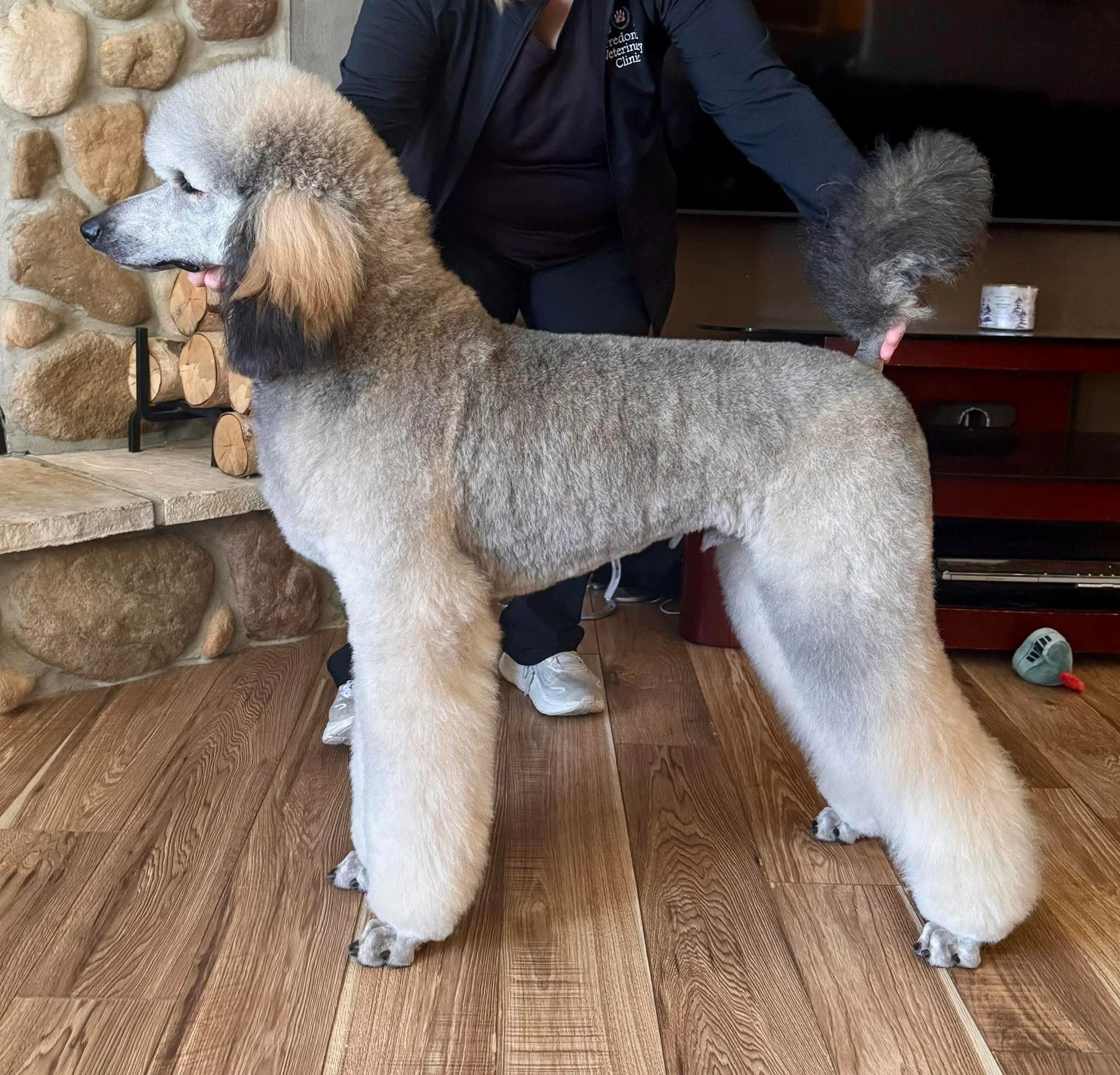
His early photographs show an exceptionally dark sable puppy, with lighter coloring beginning to emerge around his face and points. However, his progression isn't simply about sable clearing. His most recent photograph also shows the development of silver coloring, a separate process that can progressively lighten dark pigment as a Poodle matures.
This makes Dapper a wonderful example of why predicting adult color can be complicated. His sable pattern determines how dark and light pigments are distributed, while progressive silvering may further change the appearance of those darker areas. Watching these characteristics develop together gives us a fascinating look at how different color genetics can influence the same coat.
Every Sable Puppy Has Its Own Color Journey
These examples show why we are cautious about predicting the finished color of a sable puppy. Genetics, family history, and photographs of related dogs can provide helpful clues, but they cannot always tell us exactly how much dark shading a puppy will retain.
We also see differences in how quickly these changes happen. Some puppies begin lightening within their first several weeks, while others continue changing throughout their first year and beyond. Grooming can make those changes appear even more dramatic because clipping removes the darker tips of existing hairs.
For families considering a sable Poodle or Goldendoodle, the most important thing to understand is that the puppy you bring home may look remarkably different as an adult. That's part of what makes watching these beautiful coats develop so interesting.
Sable, Saddle Tan & Other Coat Patterns
Sable doesn't always appear as an evenly shaded coat. Some puppies have darker coloring concentrated around their faces, backs, or ears, while others display lighter areas that resemble phantom or saddle tan markings. Sable can also appear alongside other coat patterns, creating even more variety in the colors and markings we see in Poodles and Goldendoodles.
Understanding how these patterns differ and sometimes occur together helps explain why two dogs with similar coloring may have very different appearances.
Saddle Tan — A Distinctive Pattern
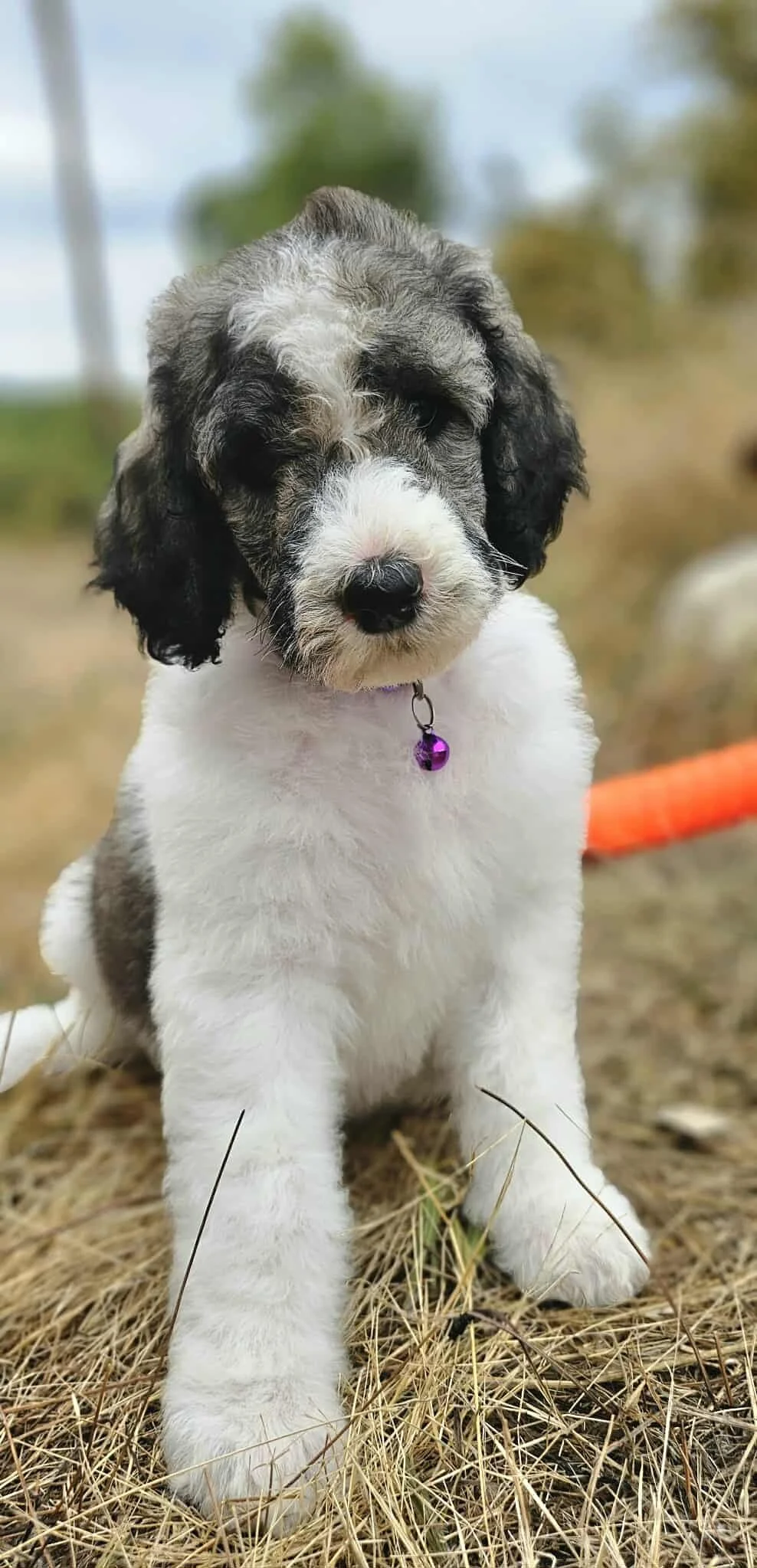
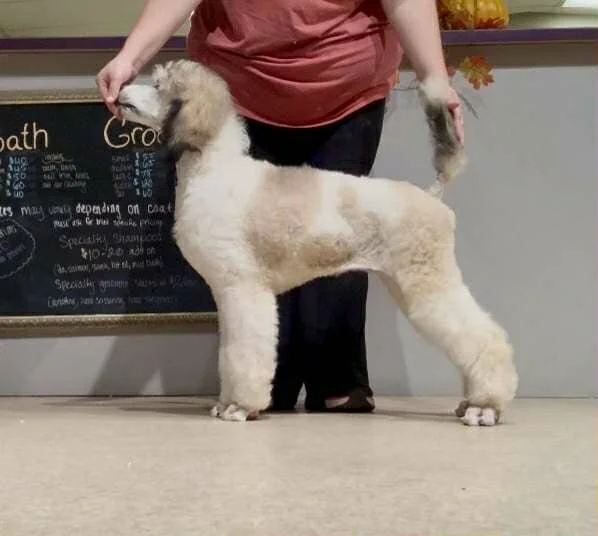
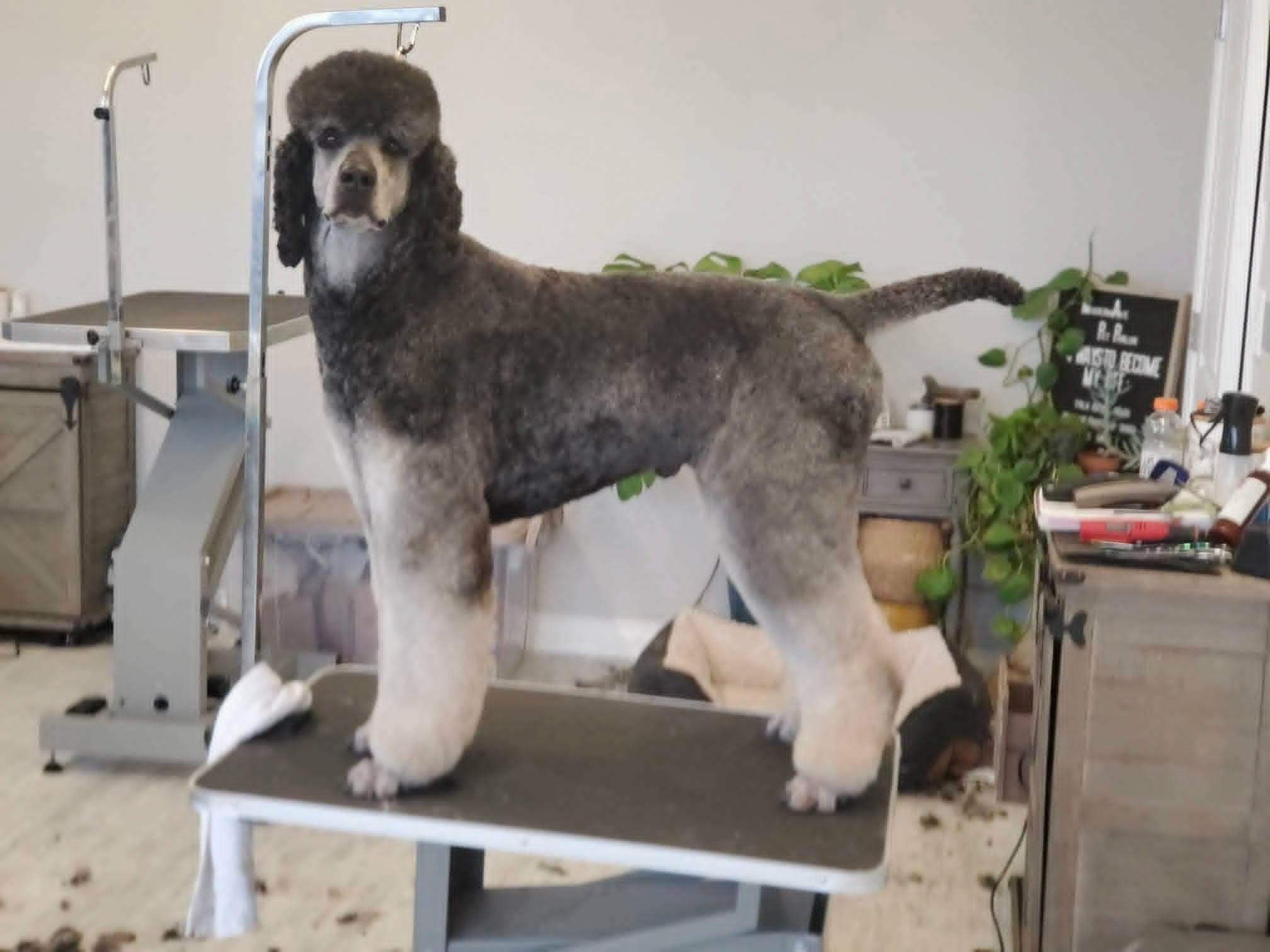
Saddle tan is a striking coat pattern in which darker pigmentation is concentrated across the dog's back and upper body, creating the appearance of a dark saddle. The face, legs, chest, and lower portions of the body are generally lighter, producing a distinctive contrast.
Our saddle tan Poodle photographs illustrate this beautifully. The darker coloring forms a recognizable pattern across the upper body rather than appearing as scattered dark-tipped hairs throughout the coat. Changes in coat length and grooming can make the contrast more or less noticeable, but the overall distribution of color remains characteristic of saddle tan.
Saddle tan is associated with a different A-locus pattern than typical sable. Although they can share similar colors and both may change in appearance as a dog matures, they aren't the same genetic pattern.
Sable Parti — Meet Ivy
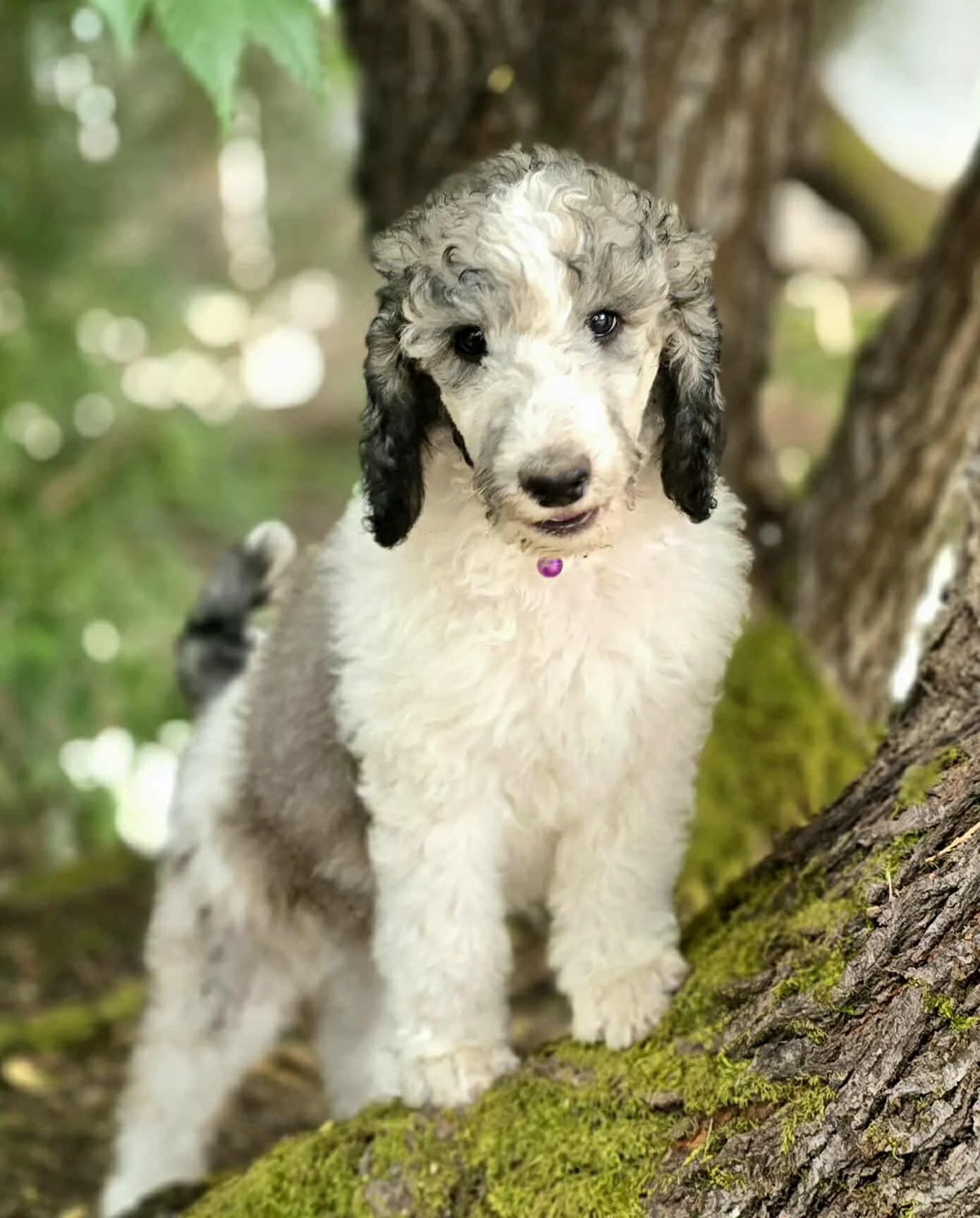
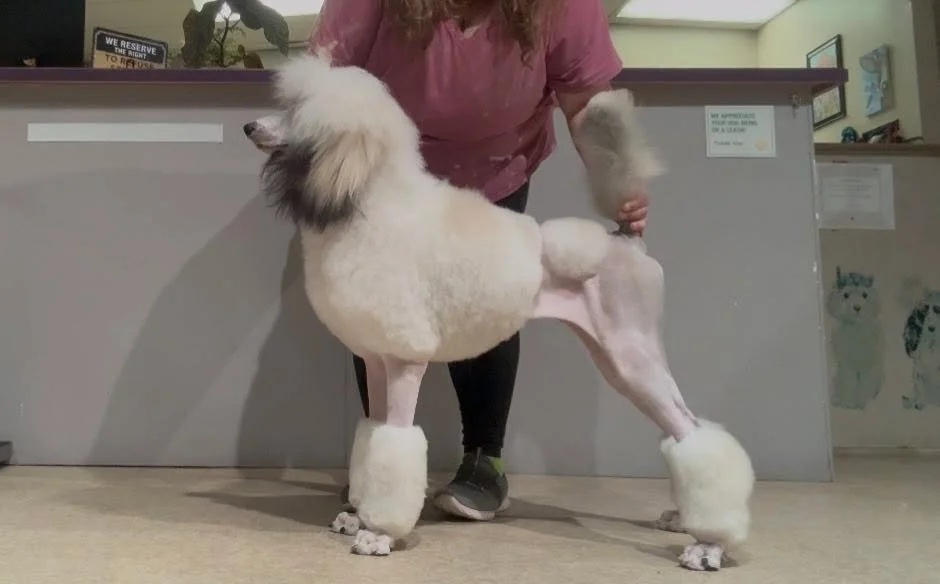
Sable can also occur alongside parti coloring, where areas of pigmented coat are combined with substantial white spotting. Rather than having sable coloring across the entire body, a sable parti dog displays sable within its colored patches, while the white portions remain white.
Ivy is our example of sable parti. Her coloring demonstrates how the darker shading associated with sable can appear alongside white markings, creating a coat that looks very different from a solid-patterned sable dog.
The sable portions of a parti coat may also change as the dog matures. Darker puppy patches can gradually lighten, sometimes creating a dramatic difference between puppy and adult photographs. The white areas generally remain white, while the sable coloring within the pigmented areas develops according to the dog's underlying genetics.
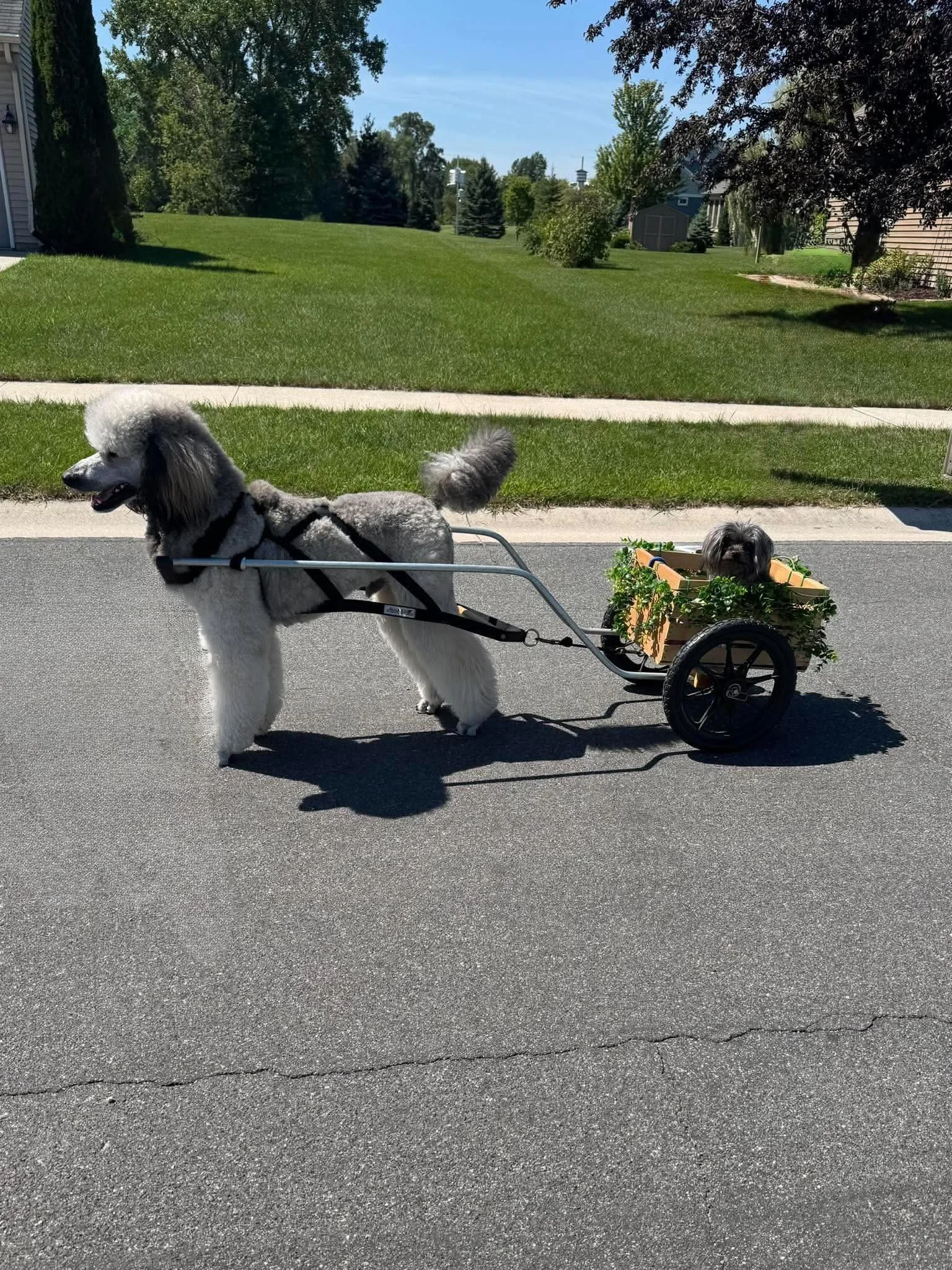
Andee's Sable Puppy — New Bloodlines, New Possibilities
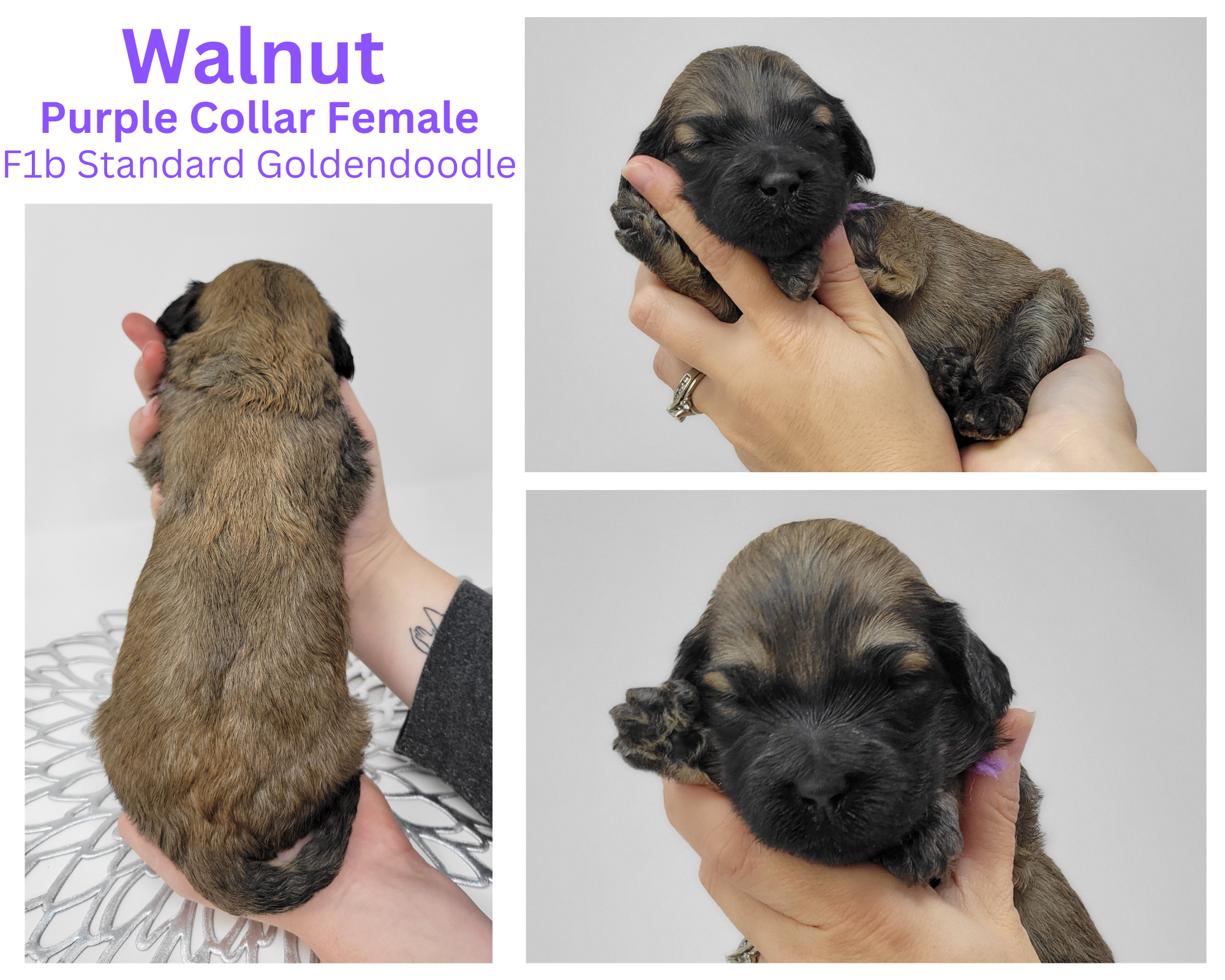
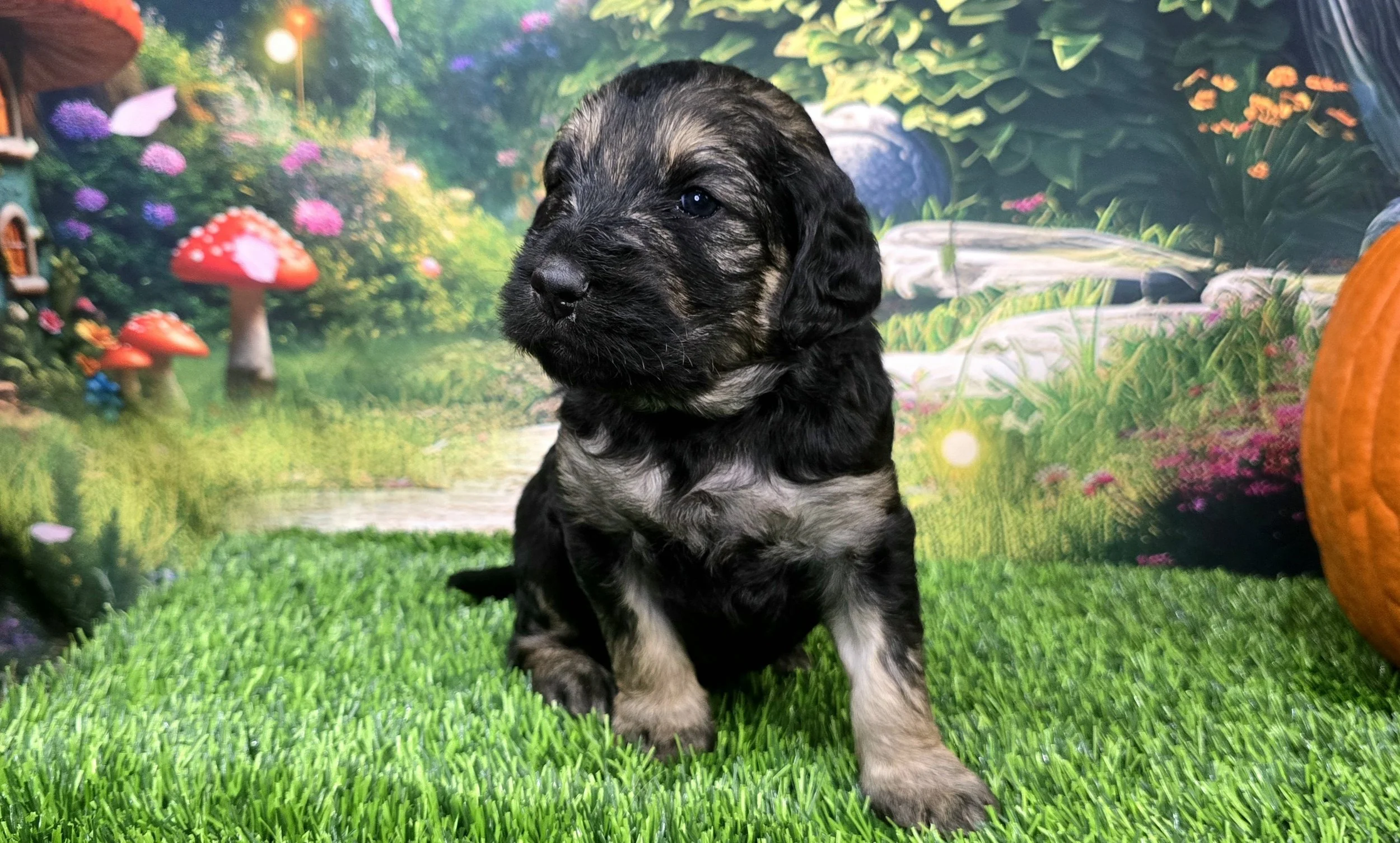
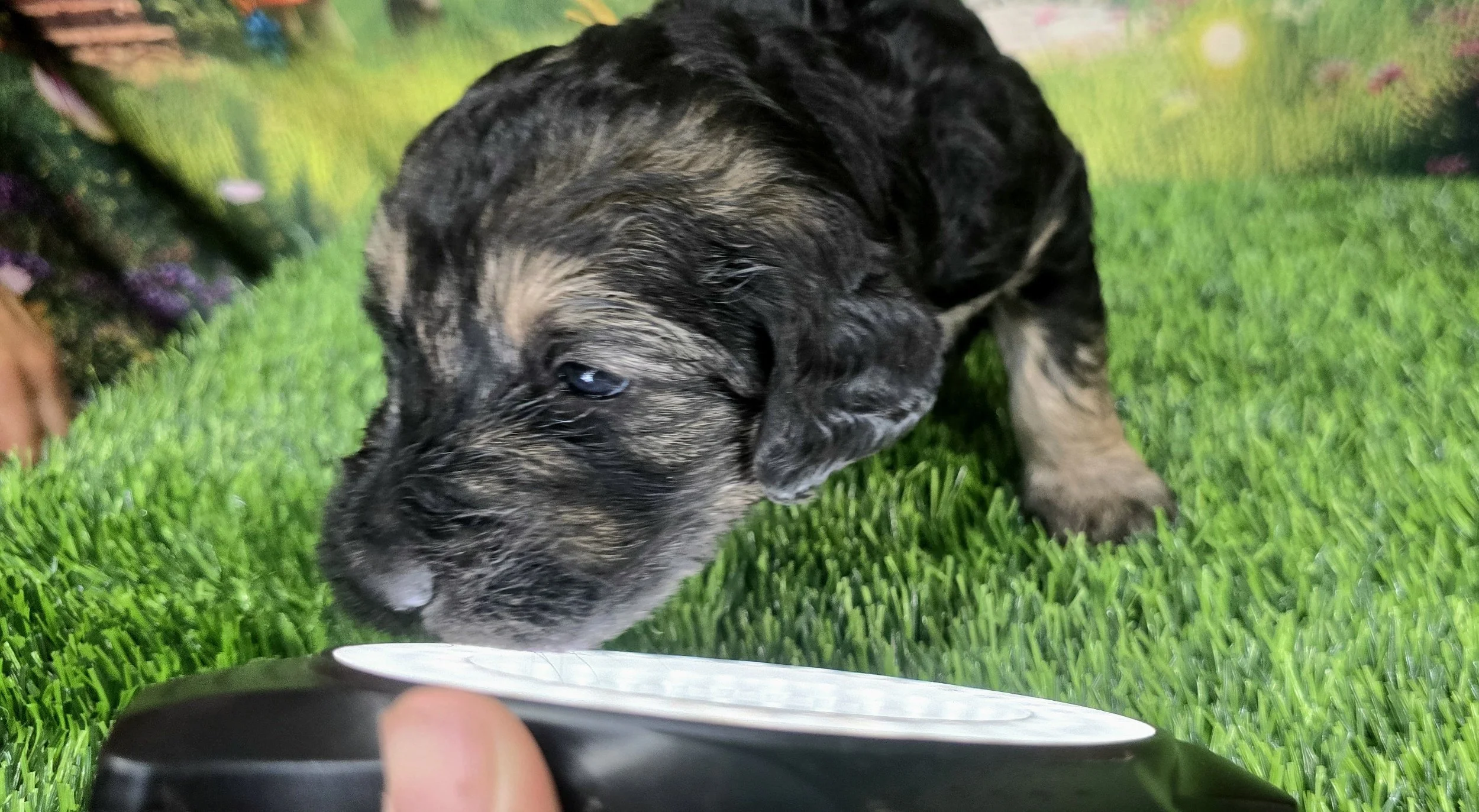
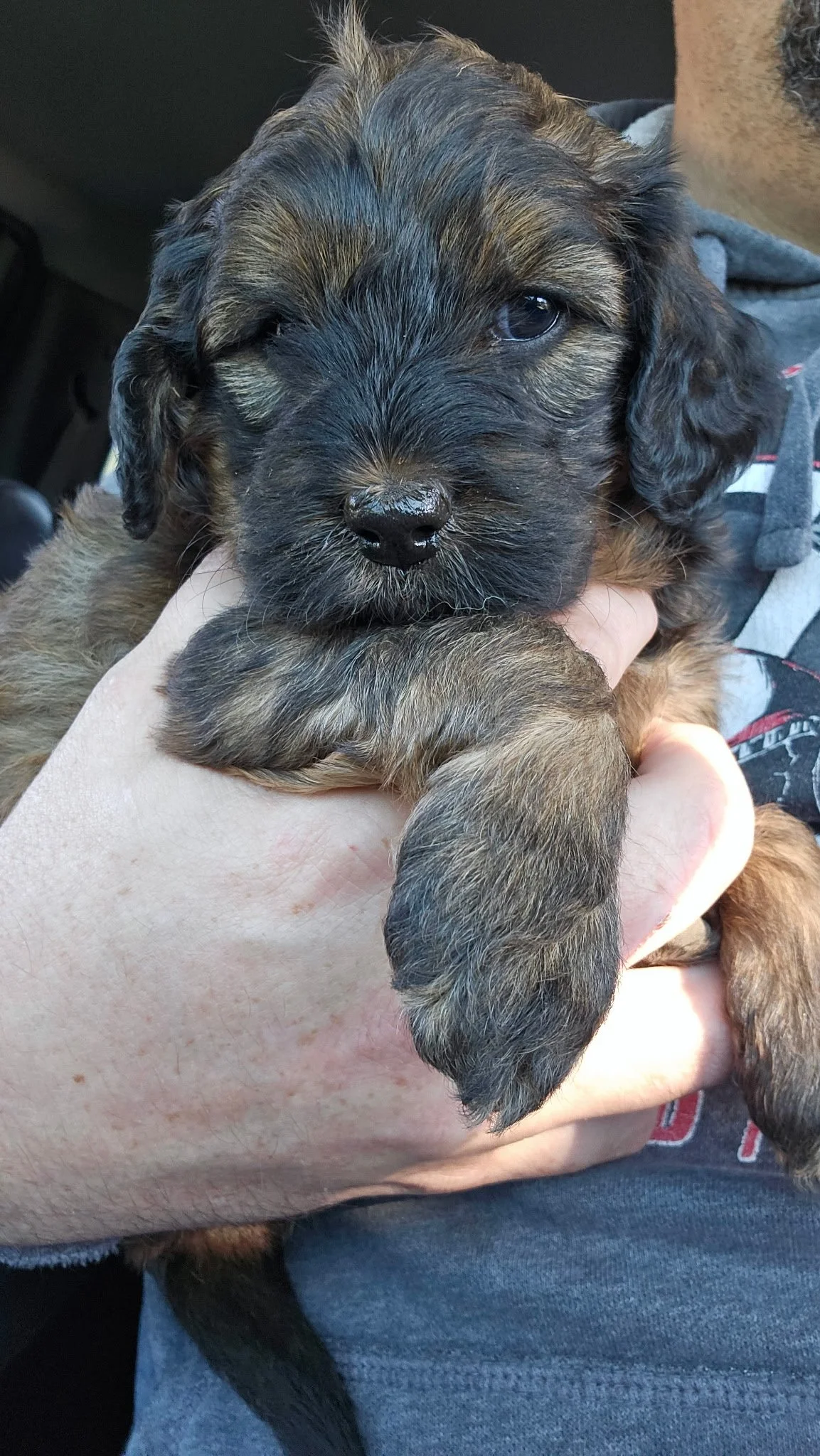
One of Andee's puppies provides another fascinating example. This puppy began life with an almost black appearance, with subtle lighter coloring beginning to emerge across the forehead.
Because these sable genetics come from bloodlines whose adult color development we haven't yet observed in our program, we can't confidently predict the finished appearance. The puppy may lighten dramatically or retain substantial darker shading as it matures.
Comparing this puppy with Dapper, Roxie, and Lemon demonstrates just how varied sable can be, even when puppies initially share similarly dark coats.
Why Similar Colors Don't Always Mean the Same Pattern
Sable, saddle tan, phantom, and parti markings can involve some of the same colors, but the genetics controlling their distribution aren't necessarily the same. Sable influences how dark and light pigmentation appears in the colored coat, while parti spotting determines where areas of white occur.
These differences are part of what makes canine coat genetics so interesting. Even when we recognize a puppy's pattern, predicting its finished adult appearance may require more than simply looking at its newborn photographs.
Choosing a Sable Poodle or Goldendoodle Puppy
Sable puppies can be especially appealing because of their unusual coloring, but choosing one requires a little flexibility about what that coloring may eventually become. A puppy with a nearly black coat might mature into a pale cream adult, while another may retain beautiful dark shading against a warm apricot or red coat. Both are possibilities, and neither outcome is necessarily predictable from an eight-week-old puppy photograph.
When we have experience with a particular bloodline, photographs of parents, siblings, and previous litters can help us understand how those coats tend to develop. Roxie, Lemon, and Lemon's father are wonderful examples of why those family comparisons are valuable. However, when we're working with new bloodlines or combinations of color genetics we haven't previously produced, we may have less information about what to expect.
Can We Predict a Sable Puppy's Adult Color?
Genetic testing can help identify inherited coat-color patterns, but it doesn't provide a photograph of what a puppy will look like at two years old. Even knowing that a puppy is sable doesn't necessarily tell us how much dark pigmentation it will retain, how quickly its coat will change, or whether other inherited color characteristics will influence its appearance.
Dapper illustrates this particularly well. His sable coloring is developing alongside visible silvering from blue/silver family lines, creating a coat that may continue changing in ways we couldn't fully predict from his newborn appearance.
We share progression photographs whenever possible because they offer families a much more realistic understanding of the possibilities than a single puppy photograph ever could.
Choosing for Temperament, Not Just Color
While we appreciate beautiful and unusual coat patterns, temperament and compatibility with your family are far more important than a puppy's eventual shade. A dog's personality, confidence, energy level, and ability to fit into your daily life will influence your experience together far more than whether its coat becomes cream, apricot, or remains heavily shaded.
At Oregon's Legendary Goldendoodles, our families reserve a position on a litter's selection list rather than choosing a specific puppy at birth. We spend the following weeks getting to know each puppy as an individual, observing its development, and sharing that experience with our families.
Formal temperament evaluations take place at approximately seven weeks of age, and puppy selections then proceed in reservation order. This gives families the opportunity to consider each puppy's personality and needs alongside physical preferences such as size, coat, and color.
Enjoying the Transformation
One of the joys of bringing home a sable puppy is watching its coat develop. The puppy you photograph at eight weeks may look quite different at six months, a year, or even later. Grooming, coat growth, and natural color changes can all influence its appearance along the way.
We encourage families who love sable to appreciate that unpredictability. Rather than expecting a particular finished shade, enjoy the beautiful and sometimes surprising transformation that makes each sable Poodle or Goldendoodle unique.
Frequently Asked Questions About Sable Poodles & Goldendoodles
-
No. Many sable puppies lighten considerably as they mature, but the amount of change varies. Some become predominantly cream, apricot, or red, while others retain extensive dark shading. Roxie is a beautiful example of dramatic clearing, while Lemon demonstrates how darker accents can remain visible into adulthood.
-
Sable puppies often have dark-tipped hairs over a lighter underlying coat. Some display obvious shading, while others are so dark at birth that their lighter coloring is difficult to recognize. Sable can also resemble other patterns, including phantom and saddle tan, particularly in young puppies. Genetic testing can help clarify the underlying pattern when appearance alone isn't enough.
-
Genetic testing can identify important coat-color variants and help explain how patterns are inherited, but it cannot reliably predict every detail of a dog's finished appearance. The amount of shading retained, the timing of color changes, and the influence of other coat-color genes can all affect the outcome. For more detailed information about A-locus testing, we recommend the UC Davis Veterinary Genetics Laboratory.
-
Sable typically involves darker pigment distributed through a lighter-colored coat, often as dark-tipped hairs. Phantom dogs have a more defined pattern, with lighter points appearing in particular locations such as the eyebrows, muzzle, chest, and legs. Although some young sable puppies resemble phantoms, the genetic patterns are different.
-
Yes. Sable and parti can occur together because they involve different aspects of coat pigmentation. Sable influences the appearance of the colored portions of the coat, while parti spotting creates substantial white areas. Ivy, our sable parti, is a wonderful example of this combination.
-
Yes, we remain actively involved until Sable is less commonly seen in some breeding programs than solid colors such as black, cream, or apricot, but its frequency varies by bloodline. Because sable puppies can change so dramatically, some adults may not immediately be recognized as sable without knowing their puppy coloring or genetic background.
-
Sable itself isn't a reliable indicator of temperament, health, or shedding. Those characteristics depend on many other factors, including the dog's inherited traits, coat genetics, breeding, and environment. A sable Goldendoodle isn't automatically more or less likely to shed than another Goldendoodle simply because of its coloring.
-
Grooming can temporarily change how sable coloring appears. Because darker pigment is often concentrated toward the ends of individual hairs, clipping may remove much of the visible shading and reveal lighter coloring underneath. As the coat grows, the appearance can change again. Grooming doesn't change the dog's underlying genetics, but it can make an already changing coat look dramatically different.
-
Absolutely. Puppies from the same litter can inherit different combinations of coat-color genetics, resulting in considerable variation in their sable coloring. One puppy may be born almost black, while a littermate has a much lighter coat with subtle dark tipping. Their appearances may continue to change as they mature, and even puppies that look nearly identical at birth can develop very different adult coats.
-
IYes. A sable dog can carry other coat-pattern variants that aren't visible in its own coloring. Depending on the genetics of both parents, a litter may include sable puppies alongside puppies with other colors or patterns. Because some A-locus variants are dominant over others, genetic testing can help breeders understand which patterns their dogs carry and what combinations may be possible in their puppies.